
Medically Reviewed by Dr. Sarah Mitchell, MD
Last Updated: April 2026
Introduction
Faced with the excruciating pain of a gout flare and the prospect of lifelong prescription medications, many patients naturally seek out alternative solutions. The internet is flooded with "miracle cures" and anecdotal remedies promising to banish gout overnight, but for getting rid of gout fast, you need proven strategies.
While natural remedies rarely "cure" the chronic metabolic condition of hyperuricemia on their own, certain supplements and extracts have demonstrated genuine, scientifically validated clinical efficacy. They can actively reduce systemic inflammation, aid the kidneys in uric acid excretion, and lower the frequency of painful attacks as part of a comprehensive prevention strategy.
This comprehensive guide separates fact from fiction, providing an evidence-based review of the most effective natural supplements for gout management, explaining how they work, and detailing how to safely integrate them into your medical treatment plan.
The Role of Natural Remedies in Gout
In the context of gout, natural remedies generally serve two distinct purposes, mirroring traditional medical approaches:
- Anti-inflammatory Agents: Supplements like turmeric or cherry extract that aim to blunt the immune system's aggressive response to urate crystals, reducing symptoms like pain and swelling during a flare.
- Uric Acid Modulators: Supplements like Vitamin C or celery seed that attempt to either decrease the body's production of uric acid or improve the kidneys' ability to excrete it, aiding in long-term prevention. Exploring foods that help lower uric acid is also a key component.
It is crucial to approach natural remedies as complementary therapies rather than primary acute interventions. During a severe flare in a major joint like the knee or foot, natural anti-inflammatories are rarely fast or potent enough to provide immediate relief on their own.

The Evidence-Based Natural Remedies
When evaluating natural remedies, we must look for peer-reviewed human trials. The following supplements have the strongest clinical backing in the rheumatology community.
Tart Cherry Extract
Of all natural remedies for gout, tart cherries (Prunus cerasus) have the most robust scientific support. They are widely recommended as a dietary addition in gout management and should be a staple in your gout diet plan.
- The Science: Tart cherries contain extremely high levels of anthocyanins. These potent antioxidant pigments inhibit COX-1 and COX-2 enzymes—the exact same inflammatory pathways targeted by prescription NSAID medications like indomethacin.
- Efficacy: A landmark study involving over 600 gout patients showed that consuming cherry extract over a two-day period reduced the risk of gout attacks by 35%. When combined with allopurinol, the risk dropped by 75%.
- How to Take It: Look for standardized tart cherry extract capsules (typically 500mg-1000mg daily), or drink pure, unsweetened tart cherry juice. Avoid sugary cherry pie fillings or sweetened juices.
Celery Seed Extract
Celery seed has been used in traditional Ayurvedic and herbal medicine for centuries to treat arthritis and urinary issues.
- The Science: Celery seeds contain active compounds including luteolin and 3-n-butylphthalide (3nB). Animal and in-vitro studies suggest these compounds inhibit xanthine oxidase—the enzyme that produces uric acid. This is the exact physiological mechanism utilized by the pharmaceutical drug allopurinol.
- Efficacy: While large-scale human trials are limited, celery seed extract is widely used for its dual action: it acts as a mild diuretic to help flush the kidneys and has demonstrated uric-acid-lowering properties in preliminary studies.
Vitamin C Supplementation
Vitamin C is essential for tissue repair, but it holds specific, scientifically proven benefits for gout sufferers looking to lower their baseline uric acid.
- The Science: Vitamin C acts as a uricosuric. It competes with uric acid for reabsorption in the renal tubules, effectively forcing the kidneys to excrete more uric acid into the urine rather than returning it to the blood.
- Efficacy: A massive study published in the Archives of Internal Medicine tracked nearly 47,000 men over 20 years. Those with the highest Vitamin C intake had a 45% lower risk of developing gout. Supplementing with just 500mg daily has been shown to modestly but consistently lower serum uric acid levels.
| Supplement | Primary Action | Scientific Evidence Level |
|---|---|---|
| Tart Cherry Extract | Anti-inflammatory (COX inhibitor) | Strong |
| Vitamin C (500mg) | Uricosuric (aids kidney excretion) | Strong |
| Celery Seed Extract | Xanthine oxidase inhibitor / Diuretic | Moderate |
| Turmeric / Curcumin | General anti-inflammatory | Moderate |
| Apple Cider Vinegar | Theorized alkalizing effect | Weak / Anecdotal |
Other Promising Supplements
Turmeric (Curcumin)
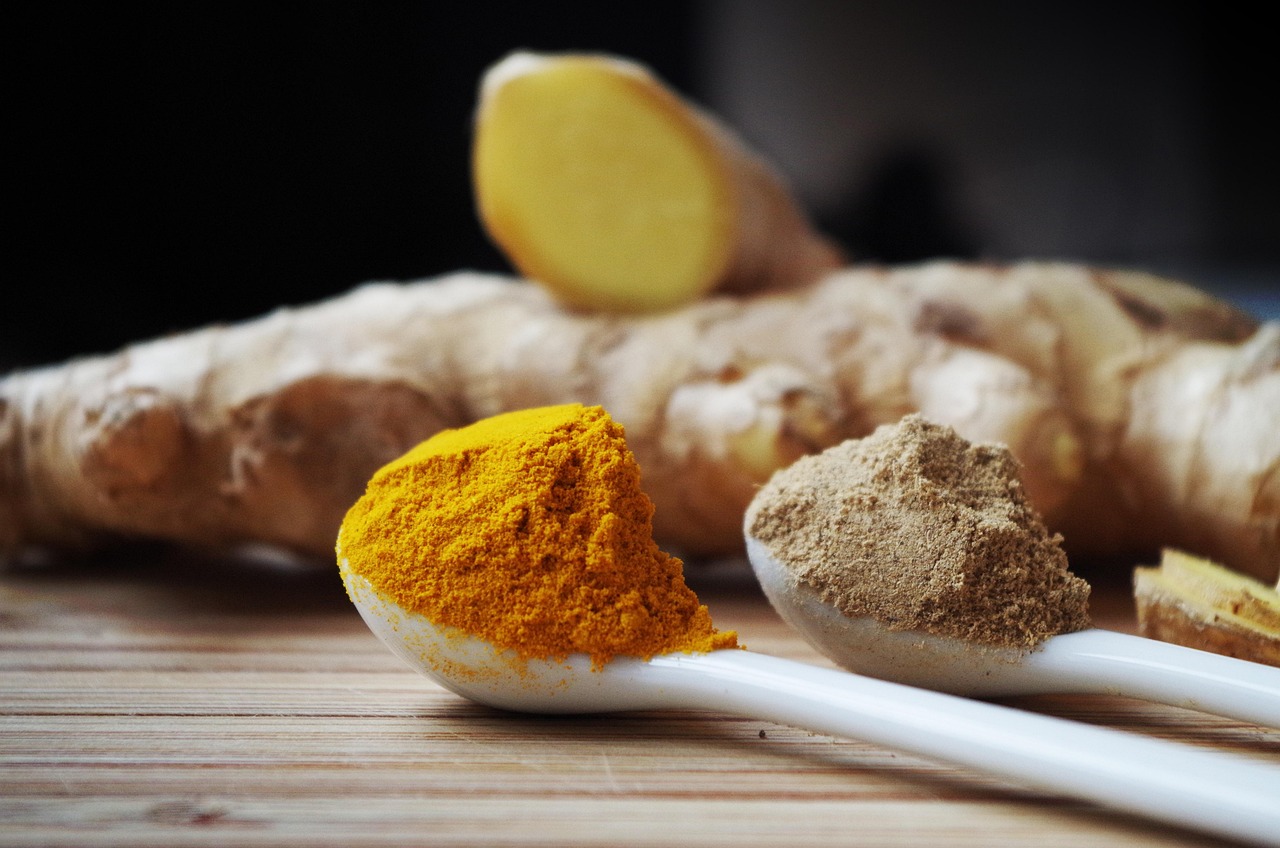
Curcumin, the active compound in turmeric, is one of the most powerful natural anti-inflammatories available. While it does not lower uric acid, taking highly bioavailable curcumin supplements can help dial down the systemic inflammation associated with a gout flare.
Bromelain
Found in pineapples, bromelain is an enzyme complex with noted anti-inflammatory properties. It is often combined in joint-health supplements with curcumin to help manage arthritis pain, though specific gout studies are limited.
Popular Myths with Mixed Evidence
Some remedies are widely promoted on the internet but lack strong clinical proof:
Apple Cider Vinegar (ACV)
The Claim: The malic acid in ACV breaks down uric acid, and the vinegar alkalizes the body.
The Reality: There are no peer-reviewed human trials proving ACV lowers uric acid. While it is generally safe to consume diluted in water, do not rely on it to stop a severe foot flare.
Baking Soda (Sodium Bicarbonate)
The Claim: Baking soda alkalizes the blood and urine, making uric acid highly soluble so it can be excreted easily.
The Reality: While alkalizing the urine is a legitimate medical strategy (often prescribed via potassium citrate), consuming large amounts of baking soda at home is incredibly dangerous. It can cause severe sodium imbalances, spike blood pressure, and lead to stomach ruptures. Avoid this without strict medical supervision.
Integrating with Medical Treatments
The most successful gout management strategies combine the targeted power of medical treatments with the systemic support of natural remedies and home care (like ice and elevation).

Important Safety Note: Supplements are biologically active compounds. They can interact dangerously with prescription medications. For example, high doses of celery seed might interact with blood pressure medications, and high-dose Vitamin C can increase the risk of kidney stones in certain individuals.
When to See a Doctor
Always inform your rheumatologist or primary care physician about any natural remedies you are taking. You should seek professional medical attention if you attempt to manage a flare naturally and the pain worsens over 48 hours, or if the affected joint becomes hot, intensely red, and is accompanied by a fever (which could indicate a dangerous joint infection).
Frequently Asked Questions
Can natural remedies replace my gout medication?
For the vast majority of people with chronic gout, natural remedies are not potent enough to replace prescription uric acid lowering drugs like allopurinol. However, they are excellent complementary therapies that can reduce the frequency of flares and allow for lower medication dosages.
Does apple cider vinegar cure gout?
There is no robust clinical evidence proving that apple cider vinegar lowers uric acid levels or stops gout flares. While many use it anecdotally for its purported alkalizing effects, relying on it instead of proven treatments during an acute flare will likely prolong your pain.
How much tart cherry extract should I take?
Dosages vary by supplement concentration, but clinical studies often use doses equivalent to eating 1-2 cups of fresh cherries daily. For standardized extracts, this is typically 500-1000mg of tart cherry extract per day. Always follow the manufacturer's label or consult your doctor.
Is baking soda safe for treating gout?
While half a teaspoon of baking soda in water can temporarily alkalize urine (helping dissolve uric acid), it is dangerous to use regularly. Baking soda contains massive amounts of sodium, which can cause severe hypertension and cardiovascular issues. Consult a doctor before trying this.
Does turmeric help with gout swelling?
Yes, turmeric (specifically its active compound, curcumin) is a potent natural anti-inflammatory. While it doesn't significantly lower uric acid, taking curcumin supplements can help reduce the joint inflammation and pain associated with a flare.
Sources & References
RemedyForGout has strict sourcing guidelines and relies on peer-reviewed studies, academic research institutions, and medical associations.
- Complementary and Alternative Medicine for Gout— National Institutes of Health (NIH)
- Cherry consumption and decreased risk of recurrent gout attacks— Arthritis & Rheumatology (Journal)
- Vitamin C Intake and the Risk of Gout in Men— Archives of Internal Medicine
- Natural and Home Remedies for Gout— Mayo Clinic
- Herbal Supplements in Rheumatology— American College of Rheumatology
- Dietary Supplements for Gout— Johns Hopkins Medicine
Related Articles
Gout Diet
Learn how whole foods affect gout.
Home Remedies
Physical interventions like ice and rest.
Foods That Help
Dietary choices that lower uric acid.
Gout Treatments
Medical management options.
Gout Medications
Prescription drug details.
Gout Causes
Understand the root of the problem.
Gout Prevention
Long-term strategies to stay clear.
Fast Relief Guide
How to stop an acute flare.
When to See a Doctor
Warning signs.