
Medically Reviewed by Dr. Sarah Mitchell, MD
Last Updated: April 2026
Introduction
Managing gout means managing purines. For anyone suffering from this excruciating form of inflammatory arthritis, understanding exactly which foods to avoid is one of the most critical aspects of self-care.
While prescription medications are often necessary to manage chronic gout, consuming high-purine foods can easily overwhelm your body's ability to process uric acid, breaking through your medication's protection and plunging you into a severe flare.
This article provides a comprehensive, evidence-based breakdown of the foods and beverages that are notorious for triggering gout attacks, explaining not just what to avoid, but why they are so dangerous for your joints.
Why Certain Foods Trigger Gout
To understand why certain foods trigger gout, you must understand the role of uric acid. Uric acid is the waste product created when your body breaks down chemical compounds called purines.
Not all purines are created equal. Extensive medical research has demonstrated that purines derived from animal sources (meat and seafood) significantly increase the risk of gout attacks and elevate serum uric acid levels. Conversely, purines derived from plant sources (like spinach, peas, and mushrooms) do not appear to carry the same risk and are generally safe to consume.
Furthermore, certain substances like alcohol and high-fructose corn syrup do not necessarily contain purines themselves, but they actively interfere with your metabolism and the kidneys' ability to remove uric acid from the body.
The Mechanism of High-Purine Foods

When you consume a meal exceptionally high in animal purines—such as a large serving of liver or a plate of scallops—your digestive system breaks these proteins down rapidly. The liver metabolizes these purines, releasing a massive surge of uric acid into the bloodstream.
If you already have an underlying predisposition to hyperuricemia (either due to genetics or kidney underexcretion), this sudden spike pushes your blood uric acid levels past the saturation point. The excess uric acid precipitates out of the blood and crystallizes in cooler peripheral joints, like the toes or knees.
Symptoms Following Dietary Triggers
A dietary indiscretion often results in rapid consequences. The symptoms of a diet-induced gout flare typically manifest within 12 to 48 hours after consuming the trigger food or beverage.
The attack frequently begins in the middle of the night. The affected joint becomes severely inflamed, presenting with intense heat, redness, swelling, and a throbbing pain that makes bearing weight or even wearing a sock impossible.
Red Alert: Foods to Strictly Avoid
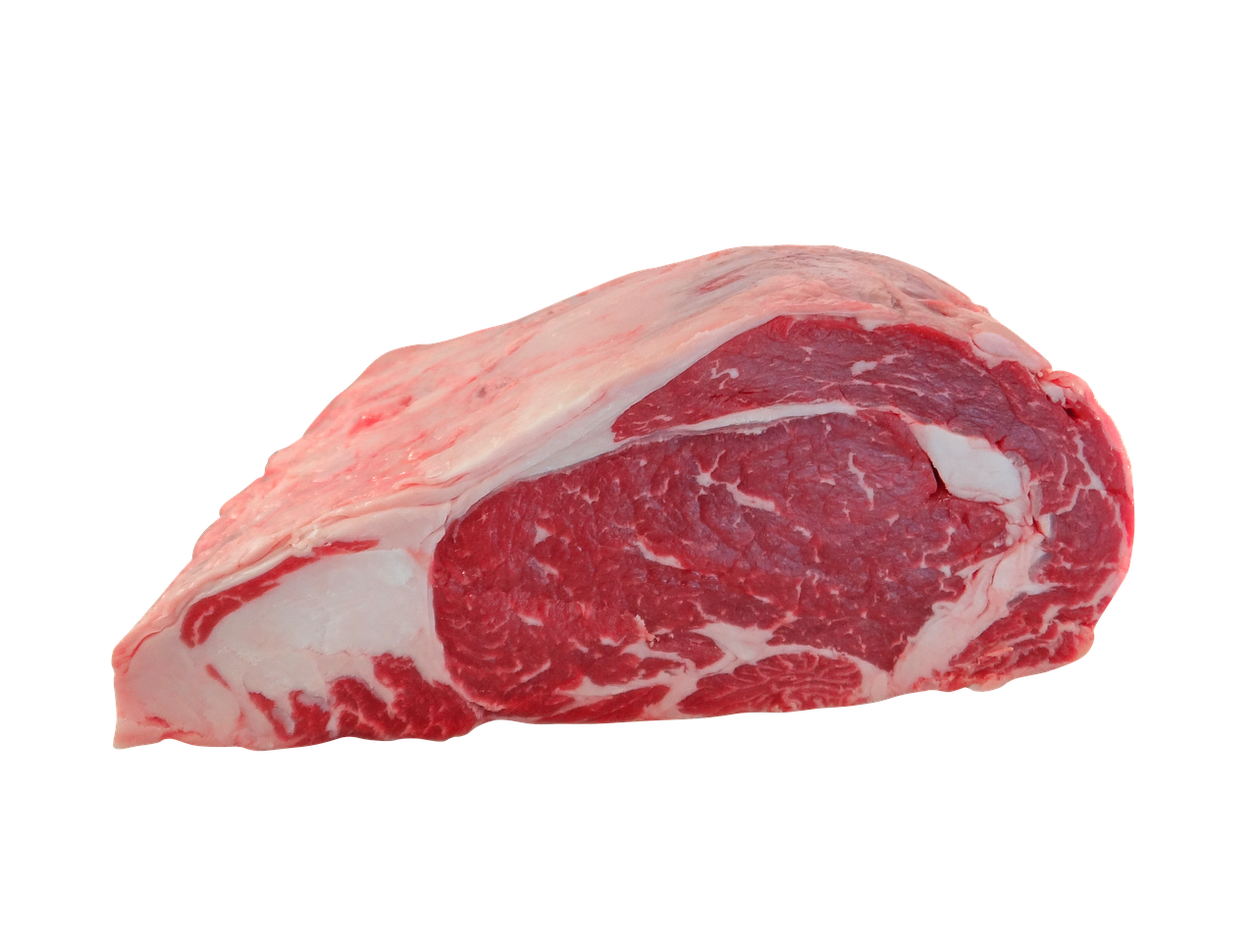
If you have been diagnosed with gout, you should make every effort to completely eliminate these high-purine foods from your diet. They are the most common culprits behind severe flares.
- Organ Meats: Liver, kidney, sweetbreads, brain, and heart. These tissues are incredibly dense with cells, meaning they contain the highest concentrations of purines of any food.
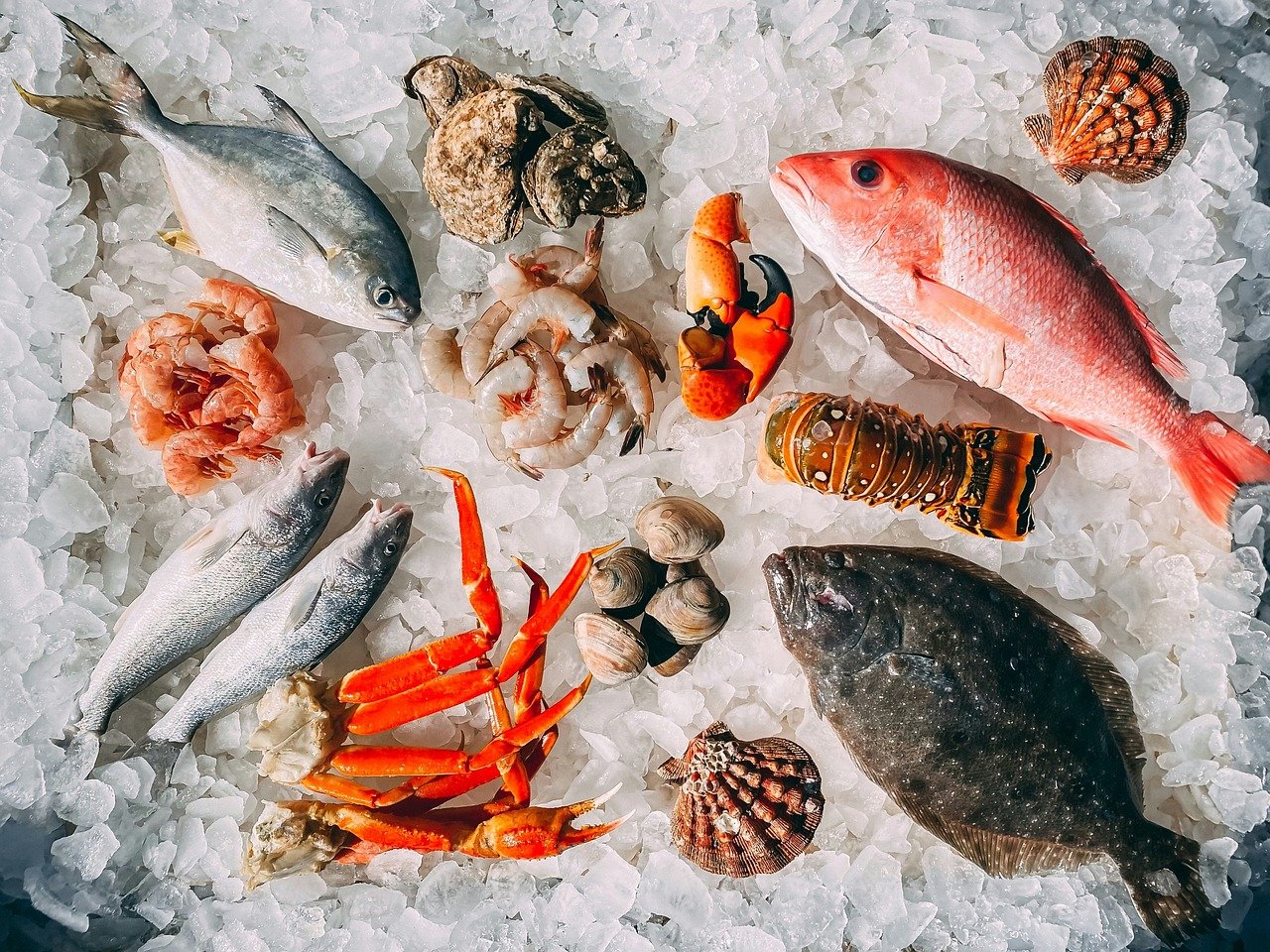
- Certain Seafood: Anchovies, sardines, herring, mussels, scallops, trout, haddock, and mackerel. Shellfish and small, oily fish are particularly dangerous triggers.
- Game Meats: Venison, veal, pheasant, and wild duck.
- Meat Extracts and Gravies: Bouillon, meat-based broths, consommes, and thick meat gravies. Because purines are water-soluble, boiling high-purine meats concentrates the purines into the liquid.
- Yeast Extracts: Products like Marmite or Vegemite, which are concentrated yeast extracts, are extremely high in purines.
Yellow Zone: Foods to Limit
You don't have to completely ban these foods, but you must exercise strict portion control (limit to 4-6 ounces daily) to avoid overloading your system:
- Red Meat: Beef, lamb, and pork. While not as concentrated as organ meats, regular consumption of red meat steadily drives up uric acid levels.
- Other Seafood: Salmon, shrimp, lobster, crab, and oysters. These contain moderate purine levels.
- Poultry: Chicken and turkey. These are the safest meats for gout sufferers, but eating massive portions can still contribute to an overall high purine load.
| Food Item | Purine Category | Recommendation |
|---|---|---|
| Chicken Breast | Low to Moderate | Safe in normal portions (4-6 oz) |
| Beef Steak | Moderate to High | Limit to 1-2 times per week |
| Scallops / Anchovies | Extremely High | Strictly Avoid |
| Beef Liver | Extremely High | Strictly Avoid |
Hidden Dangers: Fructose and Alcohol
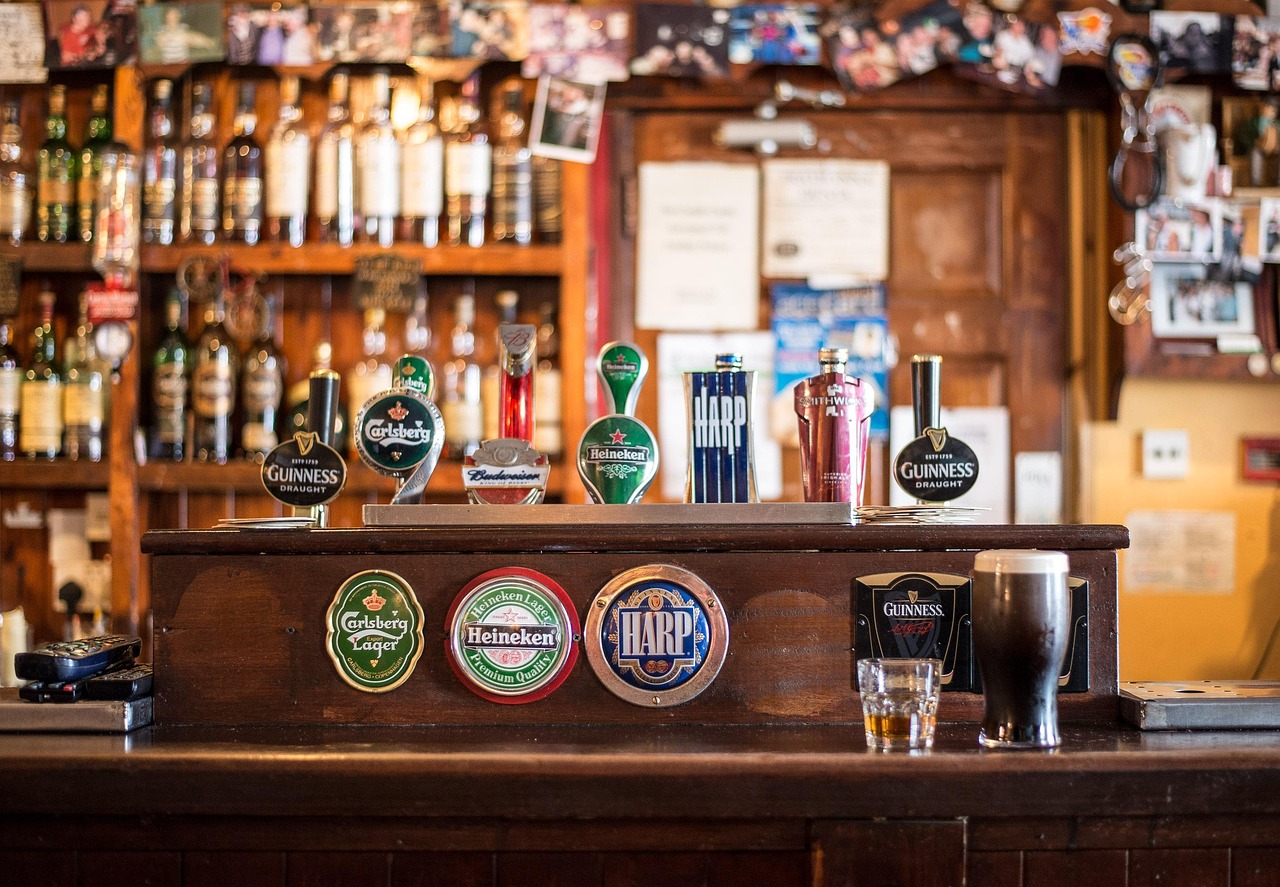
These substances don't just contain purines; they actively disrupt your metabolism, making them some of the most dangerous triggers.
Alcohol
Alcohol is a double threat. First, beer contains significant amounts of purines derived from the brewer's yeast used in fermentation. Second, the metabolism of all alcohol generates lactic acid. Lactic acid competes with uric acid for excretion by the kidneys. When the kidneys prioritize excreting lactic acid, uric acid builds up rapidly in the blood.
- Worst: Beer and grain liquors. Beer is strongly associated with gout attacks.
- Bad: Hard liquor (vodka, whiskey, rum).
- Moderate/Acceptable: Wine (1 glass occasionally). However, during an acute flare, all alcohol must be strictly avoided.
High-Fructose Corn Syrup (HFCS)
Unlike other sugars, fructose is metabolized in the liver in a way that accelerates the breakdown of ATP (a cellular energy molecule). This rapid breakdown leads to a massive release of purines, which immediately convert to uric acid.
- Avoid regular sodas, sweetened fruit juices, energy drinks, and sports drinks.
- Avoid processed baked goods, candies, and condiments heavily sweetened with HFCS.
- Note: Naturally occurring fructose in whole fruits (like an apple or orange) is fine. The fiber content slows absorption, and the Vitamin C actually helps lower uric acid.
Managing Dietary Mistakes at Home
If you accidentally consume a trigger food or overindulge during a holiday, immediate action can help mitigate a flare. The most important home remedy is aggressive hydration.
Drink 3 to 4 liters of water over the next 24 hours to help your kidneys flush the excess uric acid. You might also increase your intake of foods that help, such as tart cherry extract or skim milk, to counteract the purine load.
Preventing Flares Through Diet
Preventing gout flares through diet requires consistency. Instead of focusing solely on restriction, focus on substitution. Replace red meat with plant-based proteins (lentils, beans, tofu) or low-fat dairy. Replace sugary sodas with water or unsweetened tart cherry juice.
When Dietary Restriction Isn't Enough
It is very common for patients to strictly avoid all high-purine foods and still suffer from gout flares. If you have cleaned up your diet, eliminated alcohol, and are still experiencing attacks, you must see a doctor.
This scenario indicates that your kidneys fundamentally under-excrete uric acid, regardless of your diet. In these cases, prescription medications like allopurinol are absolutely necessary to manage the disease and prevent permanent joint destruction.
Frequently Asked Questions
Is chicken bad for gout?
Chicken is a moderate-purine food. It is significantly safer than red meat or organ meats, but should still be eaten in reasonable portions (4-6 ounces per day) rather than in unlimited amounts.
Can I eat tomatoes if I have gout?
Yes, generally. Tomatoes do not contain high levels of purines. However, a small percentage of gout sufferers report tomatoes as an anecdotal trigger, possibly due to their acidity affecting certain metabolic pathways, but they are safe for most.
Why is beer worse than liquor for gout?
Beer is a double-threat: it contains significant amounts of purines from brewer's yeast, AND the alcohol content reduces the kidneys' ability to excrete uric acid. Liquor only has the latter effect.
Are all types of fish bad for gout?
No. While shellfish, sardines, and anchovies are very high in purines and should be avoided, moderate amounts of salmon or white fish (like cod or tilapia) are generally acceptable in limited portions.
Does cooking method change purine levels?
Yes, slightly. Boiling meat can cause some purines to leach out into the cooking water (which is why meat broths and gravies are terrible for gout). However, frying, roasting, or baking does not significantly reduce the purine content.
Sources & References
RemedyForGout has strict sourcing guidelines and relies on peer-reviewed studies, academic research institutions, and medical associations.
- Gout Diet— Cleveland Clinic
- Gout diet: What's allowed, what's not— Mayo Clinic
- High-Purine Foods and Gout— Arthritis Foundation
- Dietary Factors and Risk of Gout— New England Journal of Medicine
- Fructose-Rich Beverages and Risk of Gout— British Medical Journal (BMJ)
- Alcohol Quantity and Type in Relation to Gout— Lancet
Related Articles
Gout Diet Overview
The general principles of eating for gout.
Foods That Help
Discover what you CAN eat to lower uric acid.
Diet Plan Guide
A comprehensive meal plan.
Gout Causes
Understand how uric acid works.
What is Gout?
Basics of the disease.
Gout Prevention
Strategies to stop flares.
Gout Symptoms
Recognize a flare.
Fast Relief Guide
What to do if you trigger a flare.