

Medically Reviewed by Dr. Sarah Mitchell, MD
Last Updated: April 2026
Introduction
Surviving a gout flare is one challenge; ensuring you never have to experience one again is the true goal of gout management. While an acute attack demands immediate attention and a fast relief strategy, the intercritical period—the pain-free time between flares—is when the real work of disease management takes place.
The unfortunate reality of gout is that without proactive intervention, the condition is progressive. Flares will become more frequent, last longer (see how long gout lasts), and involve more joints like gout in feet and gout in knee, eventually leading to permanent joint damage and the formation of disfiguring tophi.
However, the good news is that gout is considered one of the most manageable forms of arthritis (see gout vs arthritis). With a combination of pharmacological therapy using gout medications, dietary adjustments like diet plan guide, and lifestyle modifications, it is entirely possible to live a completely flare-free life. Explore foods to avoid and foods that help gout. This comprehensive guide outlines the strategies necessary to stop gout symptoms before they start, along with natural remedies.
The Golden Rule: Keep Uric Acid Low
To understand prevention, you must understand the mechanics of the disease. Gout attacks only happen when monosodium urate crystals exist in the joints. These crystals only form when blood uric acid levels exceed the saturation point (typically around 6.8 mg/dL) and remain high over time, identifying the primary gout causes.

Therefore, the absolute key to prevention is keeping your serum uric acid levels consistently below the therapeutic target of 6.0 mg/dL. For patients who already have visible tophi or severe, chronic gout, rheumatologists often aim for an even lower target of < 5.0 mg/dL.
When you maintain uric acid below these targets, two things happen: new crystals stop forming, and the existing crystal deposits slowly dissolve back into the bloodstream to be excreted. Once the crystal burden is entirely cleared from the joints, gout flares cease.
Understanding Flare Triggers
While long-term hyperuricemia causes crystal formation, acute flares are often precipitated by specific triggers that cause sudden fluctuations (either spikes or rapid drops) in uric acid levels. Preventing flares requires minimizing exposure to these triggers:
- Dietary Indiscretion: Consuming a large amount of high-purine foods (e.g., a steak and seafood dinner).
- Alcohol Binges: Heavy alcohol consumption, particularly beer, which is high in purines and impairs renal excretion of uric acid.
- Dehydration: Inadequate fluid intake concentrates uric acid in the blood.
- Rapid Weight Loss: Crash diets or severe fasting causes tissue breakdown, releasing purines.
- Physical Trauma: Injury to a joint can dislodge existing crystals, triggering an immune response.
Preventive Medication (ULT)
For the vast majority of chronic gout sufferers, lifestyle and diet modifications alone are not enough to reach the <6.0 mg/dL target. Urate-Lowering Therapy (ULT) is the cornerstone of effective prevention.
Xanthine Oxidase Inhibitors: Medications like allopurinol and febuxostat are the first-line treatments. Taken daily, they inhibit the enzyme responsible for producing uric acid, dramatically lowering blood levels.
Uricosurics: Drugs like probenecid help the kidneys excrete more uric acid into the urine. They are often used if allopurinol is ineffective or poorly tolerated.
Crucial Note on Initiation: When you first start ULT, the sudden drop in blood uric acid causes existing crystals to shift and dissolve, which paradoxically triggers mobilization flares. To prevent this, doctors prescribe a daily low dose of an anti-inflammatory (like colchicine or an NSAID) for the first 3 to 6 months of ULT therapy.
The Importance of Monitoring
You cannot manage what you do not measure. A common mistake in gout prevention is starting a medication like allopurinol at a low dose and never checking if it's actually working.
Effective prevention requires "Treat-to-Target" management. You should have your serum uric acid tested every 2 to 5 weeks when starting ULT. If the level is not below 6.0 mg/dL, your doctor will increase the dosage. Once the target is reached, blood tests should be conducted every 6 to 12 months to ensure continued control.
Lifestyle and Dietary Modifications
While medication does the heavy lifting, lifestyle changes are vital supportive measures that allow medications to work at lower doses and improve overall metabolic health.
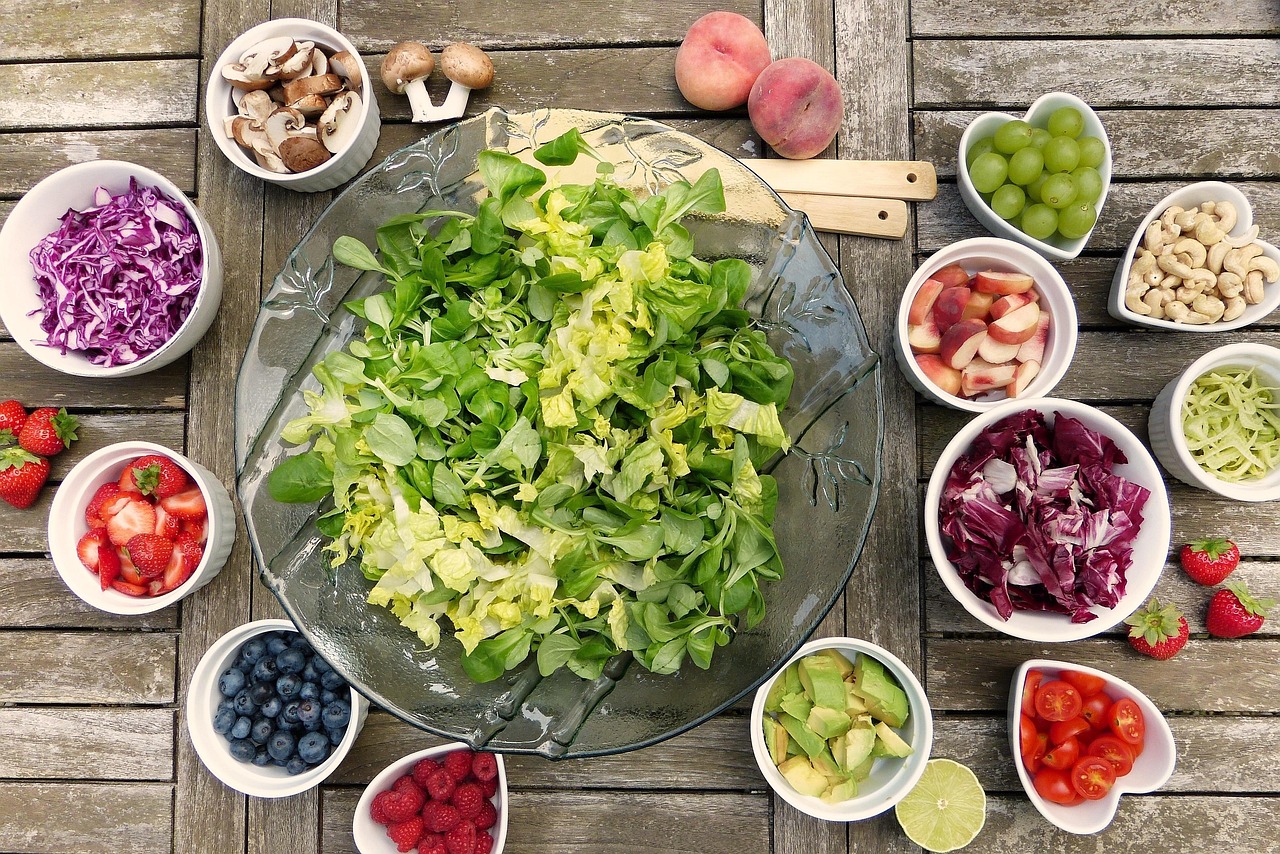
- Hydration: Drink 2-3 liters (8-12 cups) of water daily. Water helps the kidneys flush uric acid from the body.
- Weight Management: Achieving a healthy BMI reduces the body's overall uric acid production. However, weight loss must be gradual (1-2 pounds per week) to avoid triggering a flare.
- Adopt a Gout-Friendly Diet: Focus on complex carbohydrates, plant-based proteins, and low-fat dairy. Limit red meat, organ meats, and certain seafood.
- Eliminate High-Fructose Corn Syrup: Fructose metabolism rapidly increases uric acid production. Avoid sodas and sweetened beverages.
- Limit Alcohol: Restrict alcohol intake. Beer is particularly detrimental; wine in strict moderation is generally less risky.
- Increase Vitamin C: Supplementation (e.g., 500mg daily) can modestly help the kidneys excrete uric acid.
Managing Comorbidities
Gout rarely exists in isolation. It is strongly associated with a cluster of conditions known as Metabolic Syndrome. Effective gout prevention requires managing these interconnected diseases:

- Hypertension (High Blood Pressure): Manage blood pressure carefully. Note that certain blood pressure medications (thiazide diuretics) raise uric acid, while others (like losartan) can help lower it. Discuss alternatives with your doctor.
- Diabetes and Insulin Resistance: Improving insulin sensitivity helps the kidneys excrete uric acid more effectively.
- Kidney Disease: Since the kidneys clear 70% of uric acid, protecting kidney function is paramount to preventing gout progression.
When to Adjust Strategy
Prevention strategies need adjustment if they are failing. You should consult your rheumatologist or primary care physician if:
- You continue to experience flares despite taking daily preventative medication.
- Your recent blood test shows your uric acid level is above 6.0 mg/dL.
- You are developing new tophi (hard lumps under the skin).
- You experience adverse side effects from your daily medications.
Frequently Asked Questions
What is the target uric acid level to prevent gout?
The medical consensus is to maintain serum uric acid levels consistently below 6.0 mg/dL (or below 5.0 mg/dL for patients with severe gout or visible tophi) to prevent new crystals from forming and allow existing crystals to dissolve.
Can I prevent gout with diet alone?
For most chronic gout sufferers, diet alone is insufficient. While a strict low-purine diet can lower uric acid by about 1.0 to 1.5 mg/dL, patients usually need a larger reduction to get below the 6.0 mg/dL target, requiring medication like allopurinol.
Do I have to take allopurinol forever?
Usually, yes. Gout is a lifelong metabolic condition. If you stop taking your urate-lowering therapy, your uric acid levels will eventually rise again, leading to new crystal formation and the return of flares.
Will drinking lots of water prevent gout?
Hydration is highly beneficial because it helps the kidneys excrete uric acid more efficiently. While it won't cure gout alone, drinking 2-3 liters of water daily is a cornerstone of any prevention strategy.
Why do I get flares when I try to lose weight?
Crash dieting or rapid weight loss causes the breakdown of muscle tissue, which releases purines into the bloodstream and can temporarily spike uric acid levels. Gradual, steady weight loss is the safest approach for gout patients.
Sources & References
RemedyForGout has strict sourcing guidelines and relies on peer-reviewed studies, academic research institutions, and medical associations.
- Preventing Gout Attacks— National Institutes of Health (NIH)
- Guidelines for the Management of Gout— American College of Rheumatology
- Gout Diet: What's Allowed, What's Not— Mayo Clinic
- Long-term Management of Gout— Arthritis Foundation
- Urate-Lowering Therapy Targets— Cleveland Clinic
- Managing Comorbidities in Gout— Johns Hopkins Medicine
Related Articles
Gout Diet Overview
Dietary principles for gout.
Gout Medications
Details on ULT drugs.
What is Gout?
Basic overview of the disease.
Gout Causes
Understand what drives uric acid.
Gout Symptoms
Recognize the signs of a flare.
Natural Remedies
Supplements and lifestyle aids.
Foods to Avoid
High-purine foods to cut.
Foods That Help
Foods that lower uric acid.
Fast Relief Guide
Stop an attack fast.
When to See a Doctor
Medical help.