
Medically Reviewed by Dr. Sarah Mitchell, MD
Last Updated: April 2026
Introduction
Gout is a painful and debilitating form of inflammatory arthritis that affects millions of people worldwide. Known historically as the "disease of kings," it was once mistakenly thought to be an affliction only of the wealthy who could afford rich diets. Today, medical science recognizes gout as a metabolic condition linked to high levels of uric acid in the blood.
This comprehensive guide explores what gout is, how it develops, and the various ways it impacts the body. Whether you have recently been diagnosed or are seeking to better understand a loved one's condition, this article provides essential insights into managing and living with gout.
Understanding the underlying mechanisms of this disease is the first step toward effective treatment and prevention.
What is Gout? Overview
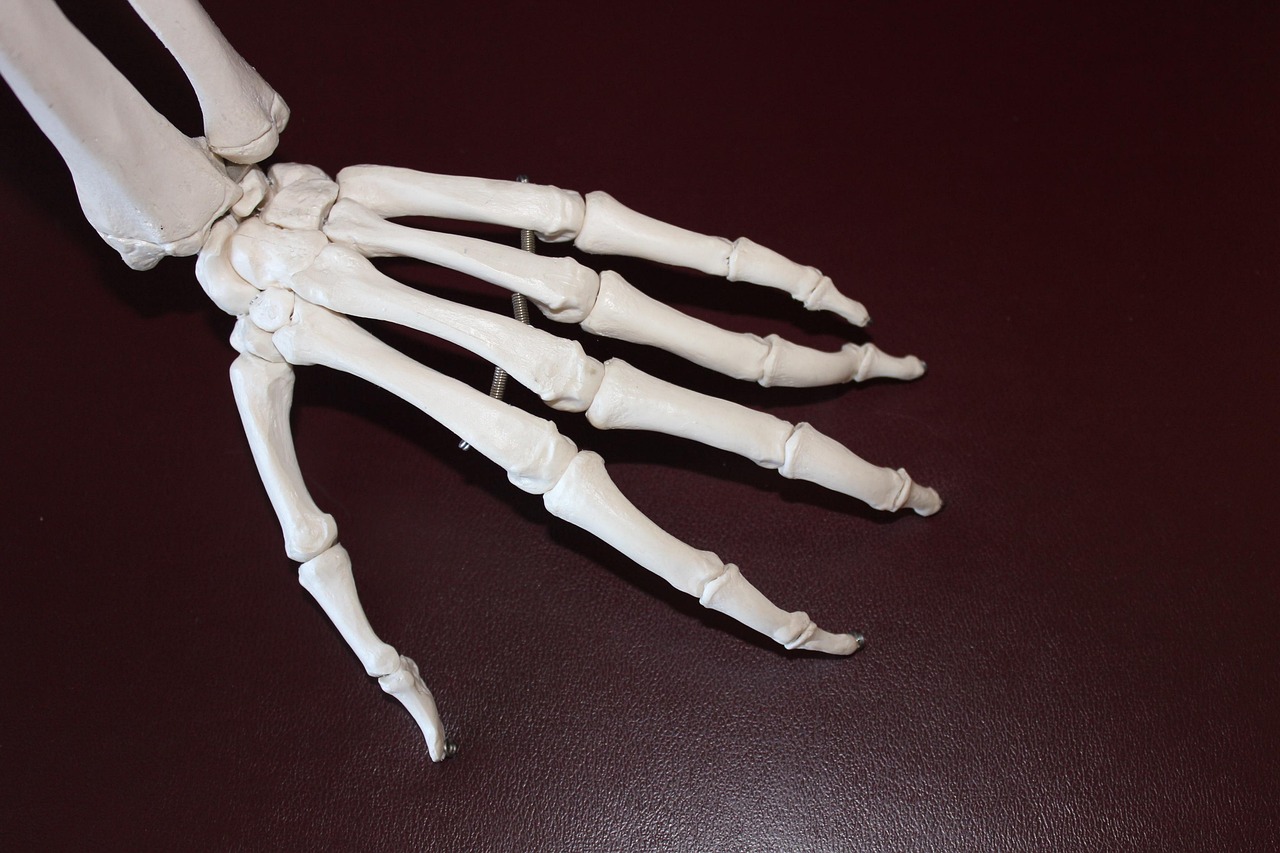
Gout is a highly inflammatory type of arthritis characterized by sudden, severe attacks of pain, swelling, redness, and tenderness in one or more joints. It most frequently targets the metatarsophalangeal (MTP) joint at the base of the big toe, a condition specifically referred to as podagra.
The condition develops due to hyperuricemia—an abnormally high concentration of uric acid in the bloodstream. Uric acid is a natural byproduct created when the body breaks down purines, which are substances found in certain foods and naturally within human cells.
When uric acid levels become too high, the compound can crystallize into sharp, needle-like monosodium urate crystals. These crystals settle in joints and surrounding tissues, triggering a severe inflammatory response from the immune system.
Causes
The primary cause of gout is hyperuricemia. However, not everyone with high uric acid levels develops gout, indicating that other factors contribute to crystal formation. For more details, see our full guide on gout causes.
The body either produces an excessive amount of uric acid or, more commonly, the kidneys are unable to excrete it efficiently. This imbalance can be influenced by diet, genetics, and certain medications.
Consuming a diet rich in purines, such as red meat, organ meats, and certain seafood, can elevate uric acid production. Additionally, high-fructose corn syrup and alcoholic beverages (especially beer) significantly impair the kidneys' ability to remove uric acid.
Symptoms
Gout symptoms almost always occur suddenly and frequently begin at night. The hallmark symptom is intense joint pain, often described as throbbing or burning.
The affected joint becomes visually swollen, red, and hot to the touch. It is often exquisitely tender; even the light pressure of a bedsheet can be agonizing.
An acute flare typically peaks in intensity within 12 to 24 hours. After the severe pain subsides, lingering discomfort can persist for days or weeks. Over time, untreated gout can lead to chronic tophaceous gout, characterized by visible nodules of uric acid crystals (tophi) under the skin.
Risk Factors
Several factors increase the likelihood of developing gout. According to the CDC, over 8.3 million Americans are affected, with a higher prevalence in men.
Age and Gender: Men are more likely to develop gout earlier in life (between 30 and 50), whereas women typically experience it after menopause due to dropping estrogen levels.
Comorbidities: Conditions such as obesity, hypertension, diabetes, metabolic syndrome, and kidney disease strongly correlate with gout. These metabolic issues impair uric acid regulation.
Diagnosis
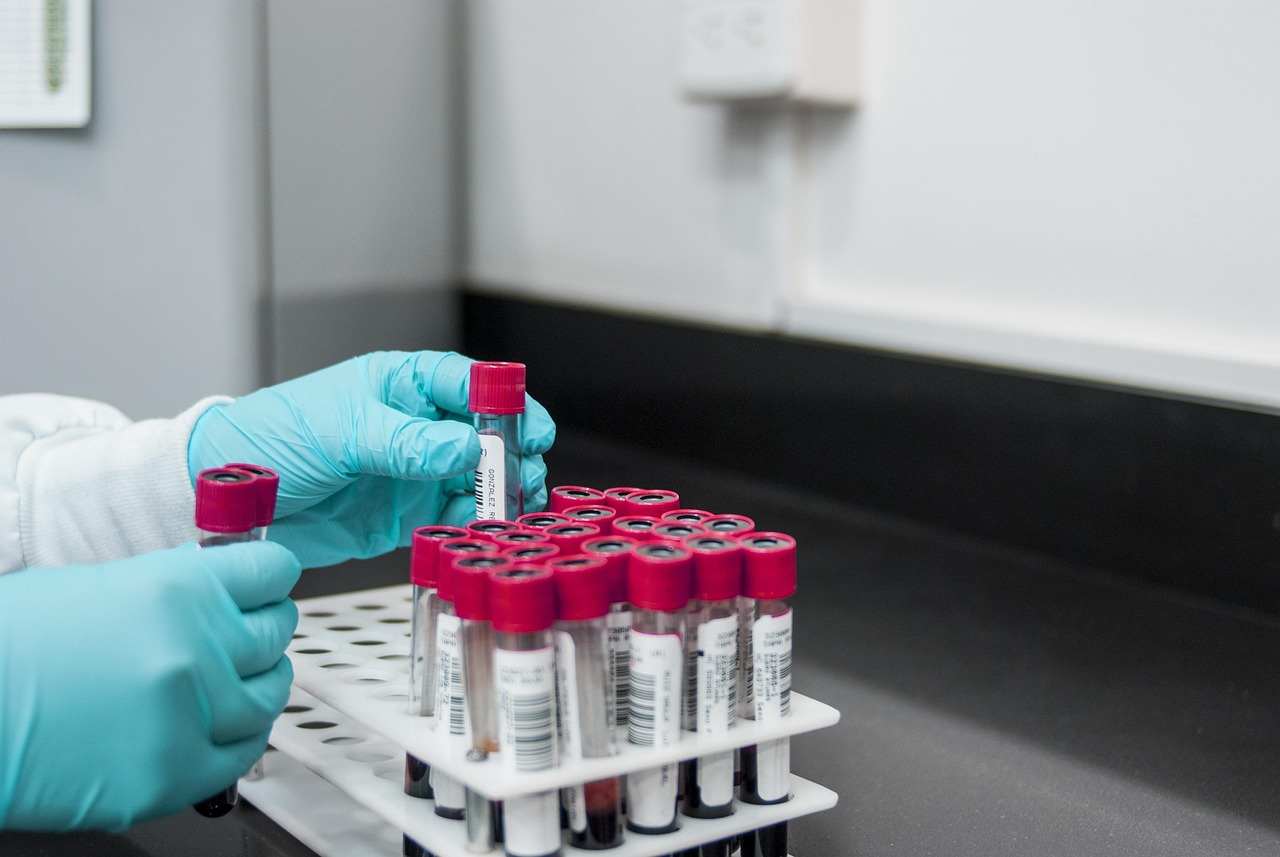
Diagnosing gout usually involves a combination of clinical evaluation and laboratory tests. A doctor will examine the affected joint for the classic signs of inflammation.
The gold standard for diagnosis is joint fluid analysis. A needle is used to extract synovial fluid from the inflamed joint, which is then examined under a microscope for urate crystals.
Blood tests to measure serum uric acid levels are also common, though they can be misleading during an acute flare when levels might temporarily drop. Imaging tests like ultrasound or dual-energy CT scans can detect crystal deposits within the joints.
Treatments
Treatments for gout are divided into two categories: managing acute flares and preventing future attacks by lowering uric acid.
During a flare, medications such as NSAIDs (e.g., indomethacin), corticosteroids, and colchicine are used to rapidly reduce inflammation and pain.
For long-term management, urate-lowering therapies (ULT) like allopurinol or febuxostat are prescribed. The goal is to maintain a serum urate level of less than 6.0 mg/dL, which allows existing crystals to dissolve and prevents new ones from forming. See our guide on medications.
Home Remedies / Lifestyle Approaches
Alongside medical treatment, lifestyle changes and home remedies play a crucial role in managing gout.
Staying adequately hydrated helps the kidneys flush out uric acid. Applying a cold compress to the inflamed joint can provide temporary relief during an attack.
Dietary adjustments are vital. This includes limiting purine-rich foods to avoid, avoiding alcohol, and incorporating foods that help like tart cherries and low-fat dairy products.
Prevention
Prevention focuses on maintaining low uric acid levels and avoiding known triggers. Consistency in medication adherence is the most effective preventive measure for chronic gout.
Maintaining a healthy weight reduces the body's uric acid production and relieves stress on weight-bearing joints like the feet and knees.
Regular, moderate exercise improves overall metabolic health, but intense exercise during a flare should be avoided.
When to See a Doctor

It is important to know when to see a doctor. Seek immediate medical attention if you experience sudden, intense joint pain, especially if it is accompanied by a fever.
A hot, inflamed joint combined with a fever can indicate an infection (septic arthritis), which is a medical emergency that requires prompt antibiotic treatment.
Additionally, consult a healthcare provider if your symptoms do not improve after a few days of home care or if your prescribed medications are ineffective.
Frequently Asked Questions
Is gout a form of arthritis?
Yes, gout is a common and complex form of inflammatory arthritis. Unlike osteoarthritis which is caused by wear and tear, gout is caused by the buildup of uric acid crystals in a joint.
Can gout be cured completely?
While there is no permanent 'cure' that allows you to return to previous habits without risk, gout is highly treatable. With proper medication and lifestyle changes, you can effectively prevent flares and live symptom-free.
Does gout only affect the big toe?
No. While the base of the big toe is the most common site for a gout attack (a condition known as podagra), it can occur in any joint, including ankles, knees, elbows, wrists, and fingers.
What is the main cause of gout?
The main cause of gout is hyperuricemia, an excess of uric acid in the blood. This occurs when the body produces too much uric acid or the kidneys excrete too little of it.
How long does a gout flare last?
An untreated gout flare can last anywhere from 3 to 14 days, though the most severe pain usually occurs within the first 12 to 24 hours.
Sources & References
RemedyForGout has strict sourcing guidelines and relies on peer-reviewed studies, academic research institutions, and medical associations.
- Gout - Symptoms and causes— Mayo Clinic
- Gout— Centers for Disease Control and Prevention (CDC)
- What Is Gout?— National Institute of Arthritis and Musculoskeletal and Skin Diseases (NIAMS)
- Gout Management Guidelines— American College of Rheumatology
- Understanding Gout— Arthritis Foundation
- Hyperuricemia and Gout— Johns Hopkins Medicine
Related Articles
Gout Symptoms & Signs
Learn how to identify a gout flare before it gets worse.
Gout Causes & Triggers
Discover what causes uric acid to build up in the body.
Gout Treatment Overview
Explore options for managing and treating gout.
Gout Diet Guidelines
What to eat and what to avoid.
Foods to Avoid for Gout
Purine-rich foods that trigger flares.
When to See a Doctor
Warning signs you need medical attention.
Gout Medications
Pharmaceutical options for managing gout.
Gout Prevention
Strategies to prevent future attacks.