
Medically Reviewed by Dr. Sarah Mitchell, MD
Last Updated: April 2026
Introduction
The term "arthritis" is not a single disease; it is an umbrella term that simply means "joint inflammation." There are over 100 different types of arthritis, and gout is one of the most painful among them. However, when people say they have "arthritis," they are usually referring to osteoarthritis (the "wear-and-tear" type) or rheumatoid arthritis (an autoimmune condition). If you're experiencing a flare, you might be looking for a fast relief guide.
Differentiating gout from other forms of arthritis is absolutely critical. A misdiagnosis can lead to years of suffering and irreversible joint damage, because the medications used to treat osteoarthritis or rheumatoid arthritis will do nothing to stop the progression of gout, and vice versa. It's essential to understand the root causes of your joint pain.
This comprehensive guide breaks down the key differences between gout, osteoarthritis (OA), rheumatoid arthritis (RA), and pseudogout across their causes, symptoms, diagnostic methods, and treatments to ensure you receive the correct care and know when to see a doctor.
Overview of Arthritis Types
To understand the differences, it helps to briefly define the primary types of arthritis most often confused with gout:
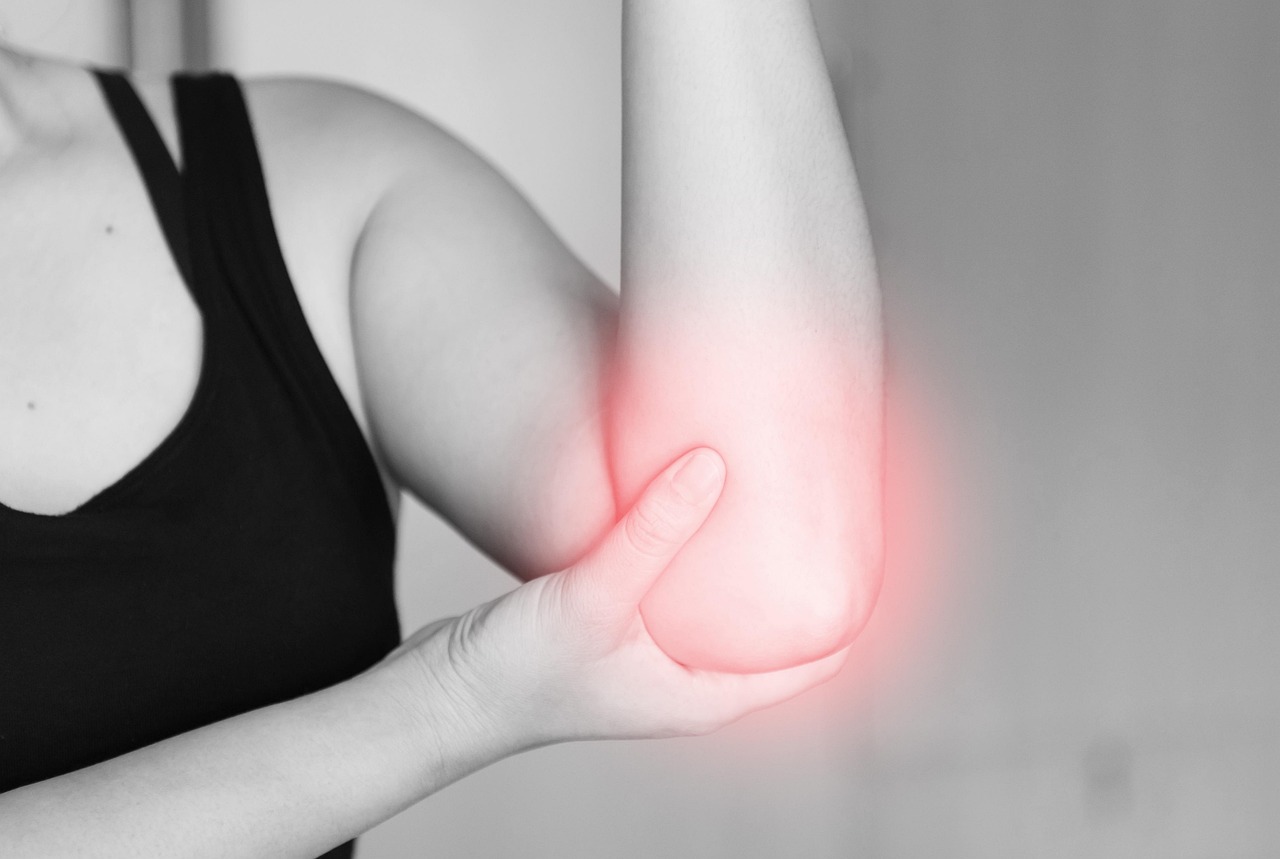
- Gout: A metabolic, inflammatory arthritis caused by the deposition of microscopic uric acid crystals in the joint space, manageable with proper gout treatments.
- Osteoarthritis (OA): A degenerative joint disease caused by the gradual wearing away of the protective cartilage that cushions the ends of bones.
- Rheumatoid Arthritis (RA): A systemic autoimmune disease in which the body's immune system mistakenly attacks the synovium, the lining of the membranes that surround the joints.
- Pseudogout: A form of inflammatory arthritis clinically similar to gout, but caused by the deposition of calcium pyrophosphate (CPP) crystals rather than uric acid.
Differing Causes
The underlying mechanisms driving these diseases are fundamentally different:
Gout is driven by hyperuricemia (excess uric acid in the blood). The body either produces too much uric acid from dietary purines, requiring a tailored gout diet, foods to avoid, and foods that help, or the kidneys fail to excrete enough of it. You may also need gout medications or natural remedies.
Osteoarthritis is primarily driven by mechanical stress, aging, prior joint injuries, and genetics. It is a structural failure of the joint cartilage over time.
Rheumatoid Arthritis is driven by immune system dysfunction. The exact cause of this autoimmune response is unknown, though genetics and environmental factors (like smoking) play a role.
Pseudogout is caused by abnormal formation of calcium pyrophosphate crystals. The exact reason these crystals form is often unknown, though it is associated with aging, joint trauma, and certain metabolic conditions like hypothyroidism.
Symptom Differences
The presentation of symptoms, particularly the onset speed and joint distribution, provides strong clues to the correct diagnosis.
| Feature | Gout | Osteoarthritis (OA) | Rheumatoid Arthritis (RA) | Pseudogout |
|---|---|---|---|---|
| Speed of Onset | Very rapid, often reaching peak pain within 12-24 hours, frequently overnight. | Gradual, worsening slowly over months or years. | Gradual to subacute, developing over weeks or a few months. | Rapid, similar to gout, though sometimes slightly less intense. |
| Pain Characteristics | Excruciating, intense throbbing/burning. Extreme sensitivity to light touch. | Dull ache, worsens with weight-bearing or activity, improves with rest. | Aching, throbbing. Severe morning stiffness lasting more than 1 hour. | Intense pain, swelling, and warmth, very similar to gout. |
| Visible Signs | Bright red, hot, significantly swollen. Skin may look shiny. | Bony enlargements (nodes), minimal to no redness or heat. | Swollen, warm, spongy/boggy feeling to the joints. | Red, hot, swollen. |
| Typical Joints Affected | Big toe (most common), foot, ankle, knee. Usually asymmetric (one side). | Knees, hips, spine, ends of fingers. Often asymmetric. | Wrists, hands, fingers, ankles. Usually symmetric (both sides simultaneously). | Knee (most common), wrist, ankle. Usually asymmetric. |
Risk Factor Profiles
The demographic profiles for these diseases also differ significantly. Gout overwhelmingly affects adult men (typically starting between 30 and 50) and post-menopausal women. It is strongly linked to metabolic syndrome, obesity, hypertension, and high-purine diets.
Osteoarthritis risk increases linearly with age and previous joint trauma. It is slightly more common in women.
Rheumatoid arthritis affects women three times more often than men, typically beginning between the ages of 30 and 60. Smoking is a major environmental risk factor.
Pseudogout almost exclusively affects older adults, typically over the age of 60, and affects men and women equally.
Diagnostic Approaches
Physicians use different tools to definitively diagnose these conditions:

- Gout & Pseudogout: The gold standard is a joint aspiration (arthrocentesis). Fluid is drawn from the joint and examined under a polarizing microscope. Monosodium urate crystals (gout) are needle-shaped and negatively birefringent. Calcium pyrophosphate crystals (pseudogout) are rhomboid-shaped and positively birefringent. Blood tests for uric acid are helpful but not definitive during an acute flare.
- Rheumatoid Arthritis: Diagnosis relies heavily on blood tests detecting specific autoantibodies: Rheumatoid Factor (RF) and Anti-Cyclic Citrullinated Peptide (anti-CCP), along with elevated inflammatory markers (CRP, ESR).
- Osteoarthritis: Diagnosis is primarily clinical, based on symptoms and physical exam, and confirmed by X-rays showing joint space narrowing and bone spurs (osteophytes). Blood tests are normal.
Treatment Differences
This is where the distinction is most critical. While NSAIDs or corticosteroids might be used across all forms to temporarily reduce inflammation and pain, the long-term, disease-modifying treatments are entirely distinct:
- Gout: Requires Urate-Lowering Therapy (ULT) like allopurinol or febuxostat to lower serum uric acid levels, dissolve crystals, and prevent future flares.
- Osteoarthritis: Managed with physical therapy, weight loss, mobility aids, topical pain relievers, and eventually joint replacement surgery if severe. There are no drugs to reverse cartilage loss.
- Rheumatoid Arthritis: Requires Disease-Modifying Antirheumatic Drugs (DMARDs) like methotrexate, or biologic agents (like TNF inhibitors) to suppress the overactive immune system and prevent joint destruction.
- Pseudogout: Managed with NSAIDs, colchicine, or joint injections. Unlike gout, there are currently no medications available to dissolve CPP crystals or prevent them from forming.
Lifestyle Differences
Lifestyle management also diverges. For gout, dietary modifications (low purine, low alcohol) and aggressive hydration are crucial. Check out gout remedies, gout in knee, and how long gout lasts. Gout prevention is important.
For osteoarthritis, low-impact exercise (swimming, cycling) and weight loss to reduce mechanical load are primary focus areas.
For rheumatoid arthritis, resting during flares and maintaining joint flexibility through physical therapy are key, along with an overall anti-inflammatory diet (like the Mediterranean diet).
Prevention Strategies
Preventing disease progression is possible in gout and RA with strict adherence to daily medications (ULT for gout, DMARDs for RA). Osteoarthritis progression can only be slowed, not entirely prevented, through weight management and joint protection. Pseudogout flares are difficult to prevent entirely, though daily low-dose colchicine is sometimes used.
When to See a Doctor
You should seek medical evaluation if you experience:
- Sudden, severe joint pain, swelling, and redness (suggestive of gout, pseudogout, or a dangerous joint infection).
- Morning stiffness in your joints lasting longer than an hour (suggestive of RA).
- Joint pain that worsens with activity and improves with rest, affecting your mobility (suggestive of OA).
- Any joint pain accompanied by a fever (requires emergency medical attention).
Frequently Asked Questions
Can you have gout and osteoarthritis at the same time?
Yes, it is very common. In fact, joints previously damaged by osteoarthritis are more susceptible to urate crystal deposition, meaning gout often strikes the exact same joints affected by osteoarthritis.
Is gout an autoimmune disease like rheumatoid arthritis?
No. While both involve the immune system causing inflammation, gout is triggered by a physical substance (uric acid crystals) deposited in the joint. Rheumatoid arthritis occurs when the immune system mistakenly attacks healthy joint tissue without an external trigger.
Can an X-ray tell if I have gout or osteoarthritis?
X-rays are very useful for identifying the cartilage loss and bone spurs of osteoarthritis. In early gout, X-rays may look normal. In chronic, advanced gout, X-rays can show specific bone erosions caused by tophi, which look different from osteoarthritic damage.
Why is pseudogout called 'fake gout'?
Pseudogout causes sudden, intense flares of joint pain that mimic a gout attack perfectly. However, the crystals causing the inflammation in pseudogout are made of calcium pyrophosphate (CPP), not uric acid. It most commonly affects the knee.
Do NSAIDs work for all types of arthritis?
NSAIDs (like ibuprofen or naproxen) are commonly used to reduce pain and inflammation in gout, OA, and RA. However, they only treat the symptoms. The underlying disease-modifying treatments for each condition are completely different.
Sources & References
RemedyForGout has strict sourcing guidelines and relies on peer-reviewed studies, academic research institutions, and medical associations.
- Types of Arthritis— Centers for Disease Control and Prevention (CDC)
- Gout vs. Rheumatoid Arthritis— Arthritis Foundation
- Differentiating Forms of Inflammatory Arthritis— American College of Rheumatology
- Osteoarthritis Overview— Mayo Clinic
- Pseudogout Diagnosis and Management— Cleveland Clinic
- Arthritis Diagnosis— Johns Hopkins Medicine
Related Articles
What is Gout?
Basic overview of gout.
Gout Symptoms
Detailed symptoms of a gout flare.
Gout in the Knee
Often confused with pseudogout.
Gout Causes
What triggers gout.
When to See a Doctor
When to seek medical advice.
Gout Treatments
Medical interventions for gout.
Gout Medications
Specific drugs used for gout.
Natural Remedies
Alternative approaches to relief.
Gout Prevention
Strategies for the long term.