
Medically Reviewed by Dr. Sarah Mitchell, MD
Last Updated: April 2026
Introduction
When a gout flare hits, the pain escalates with terrifying speed. What starts as a mild tingle or stiffness can transform into crushing, throbbing agony within hours. During an acute attack, identifying the initial symptoms of a flare and the singular goal is to halt the inflammatory cascade before it peaks.
Time is of the essence. The difference between a flare that lasts three days and one that lasts two weeks (see how long a gout flare lasts) is entirely dependent on how quickly you intervene. The "wait and see" approach does not work with gout; you must act aggressively at the first sign of symptoms, whether it strikes as podagra in the feet or in the knee.
Follow this evidence-based, hour-by-hour 24-hour protocol combining medical interventions and supportive home therapies to achieve the fastest possible relief from gout pain. Addressing the underlying causes is for later; right now, it's about stopping the fire. Consider exploring gout medications, natural remedies, gout diet, foods to avoid, and foods that help. If symptoms persist, learn when to see a doctor.
The Crucial First Rule
Do not wait to see if the pain "goes away on its own." Gout pain escalates rapidly. Begin this treatment protocol at the very first twinge, tingle, or stiffness in the joint (the prodrome phase) to maximize your chances of aborting the flare entirely.
Hour 0-2: Immediate Actions
The first two hours dictate the trajectory of the flare. Your primary weapons are anti-inflammatory medications and physical restriction.
- 1. Take Your Prescription Medication Instantly
If you have been prescribed acute flare medications, take them immediately as directed by your doctor. Colchicine is exceptionally effective, but its efficacy drops significantly if taken more than 12-24 hours after onset. High-dose NSAIDs (like Indomethacin, Naproxen, or Celecoxib) are the standard first-line defense for those who can tolerate them.
- 2. Immobilize and Elevate
Get off your feet immediately. Do not attempt to "walk it off." Prop the affected joint (usually the foot or knee) on thick pillows so it rests above the level of your heart. This gravity-assist encourages excess fluid to drain away from the joint, reducing the painful pressure of swelling.
- 3. Apply Ice Therapy
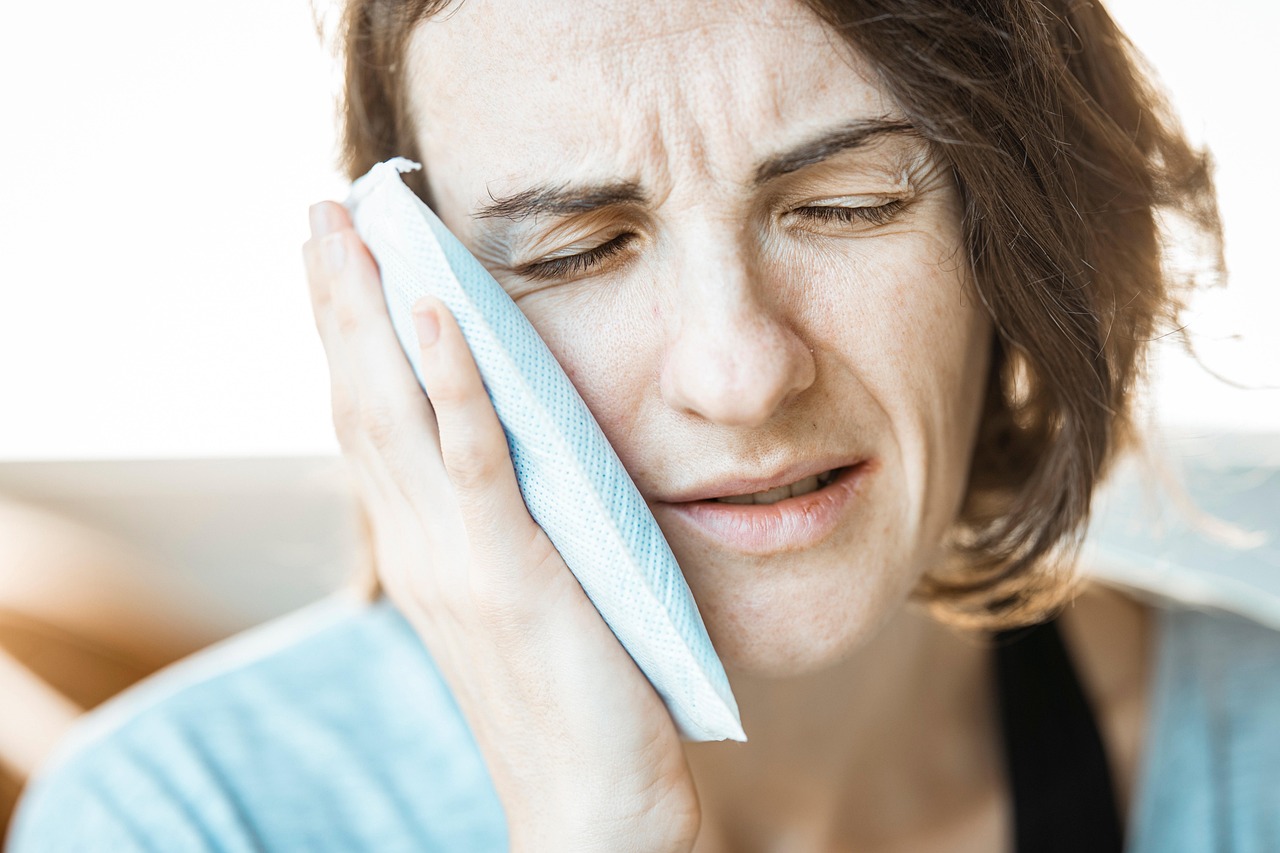
Wrap a gel ice pack or a bag of frozen peas in a thin dish towel and apply it gently to the joint for 20 to 30 minutes. The cold constricts blood vessels, slowing the rush of inflammatory white blood cells to the area, and provides a numbing effect against the pain. Repeat this every 1-2 hours.
Hour 2-12: The Sustained Defense
Once you have initiated the medical counter-attack, focus on biological support to help your kidneys clear the excess uric acid driving the flare.
- 4. Aggressive Hydration
Water is the vehicle your kidneys use to excrete uric acid. Drink a large glass (8-16 oz) of water every 1 to 2 hours. Your goal is to keep your urine clear and copious. Dehydration concentrates uric acid in the blood, making crystal formation worse.
- 5. Introduce Natural Anti-Inflammatories
If you have them available, drink an 8oz glass of 100% pure tart cherry juice (no added sugar). Tart cherries contain high levels of anthocyanins, which possess natural COX-inhibiting properties similar to mild NSAIDs. Alternatively, a tart cherry extract supplement or a Vitamin C supplement (500mg) can provide mild supportive benefits.
- 6. Protect the Joint from Contact
Gout pain causes extreme hypersensitivity (allodynia). Even the weight of a bedsheet can be agonizing. Use a "bed cradle" or construct a makeshift tent out of a cardboard box to keep blankets from touching the affected toe or knee while you rest.
Hour 12-24: Monitoring and Recovery
If you intervened early with effective medication, the rapid escalation of pain should begin to plateau or slowly subside by the 24-hour mark.

- Continue Medication Schedule: Follow the exact dosing schedule provided by your doctor for your NSAIDs or colchicine. Do not stop just because the pain slightly improved.
- Eat Very Lightly: Stick to a strict low-purine diet. Consume simple, plant-based foods like rice, vegetables, oatmeal, or low-fat yogurt. Your body is fighting systemic inflammation; do not burden it with heavy digestion or purine loads.
- Assess the Situation: If the pain has completely failed to respond to medication after 24 hours, or if it is worsening and accompanied by systemic symptoms, it is time to escalate to a physician.
What to Avoid Entirely
Certain actions will guarantee the flare becomes worse. Under no circumstances should you:
- Apply Heat: Heating pads or hot baths vasodilate blood vessels, driving more inflammation and swelling into the joint.
- Take Aspirin: Low-dose aspirin inhibits the kidneys' ability to excrete uric acid, potentially worsening the flare. (Use ibuprofen or naproxen instead if relying on over-the-counter meds).
- Consume Alcohol: Zero alcohol. Beer, in particular, contains purines and prevents uric acid excretion.
- Drink Sugary Sodas: High-fructose corn syrup accelerates uric acid production in the body.
When to Seek Medical Intervention
While this protocol works for most standard flares, you must see a doctor or visit an urgent care clinic if:
- You experience a fever, chills, or red streaks spreading from the joint (signs of dangerous infection).
- The pain is utterly intolerable despite taking oral medications.
- You have no prescription medications and over-the-counter NSAIDs are ineffective.
In these scenarios, a physician can administer a localized corticosteroid injection directly into the joint, which frequently provides profound, almost magical relief within hours.
Frequently Asked Questions
Is heat or ice better for a gout flare?
Ice is vastly superior for an acute gout flare. Cold therapy constricts blood vessels, reduces swelling, and numbs the severe pain. Heat increases blood flow, which can exacerbate inflammation and make the throbbing pain significantly worse.
Can drinking baking soda in water stop a flare?
While widely circulated on the internet, baking soda (sodium bicarbonate) is not a medically recommended treatment. While it may temporarily alkalize the urine, consuming large amounts of sodium can raise blood pressure and exacerbate kidney stress during a flare. Stick to massive hydration with pure water.
Should I stop taking allopurinol during an attack?
No. If you are already taking a daily urate-lowering medication like allopurinol or febuxostat, do not stop taking it during a flare. Stopping or starting these medications abruptly causes rapid shifts in uric acid levels, which can actually worsen or prolong the attack.
How much tart cherry juice should I drink?
If using 100% pure, unsweetened tart cherry juice, an 8-ounce glass once or twice a day is standard. If using tart cherry extract concentrate, 1-2 tablespoons mixed in water is typical. Be mindful of the sugar content if you have diabetes.
Can I massage the joint to make the pain go away?
Absolutely not. Massaging, rubbing, or stretching an acutely inflamed gouty joint will cause excruciating pain and further agitate the localized immune response. Complete immobilization is required.
Sources & References
RemedyForGout has strict sourcing guidelines and relies on peer-reviewed studies, academic research institutions, and medical associations.
- Management of Acute Gout— American College of Rheumatology
- Gout Flare Treatment Guidelines— Arthritis Foundation
- Home Remedies for Gout Pain— Mayo Clinic
- Efficacy of Colchicine in Acute Gout— National Institutes of Health (NIH)
- Dietary Supplements and Gout— Cleveland Clinic
Related Articles
Gout Medications
Prescription options.
Gout Treatments
Overall strategy.
Natural Remedies
Supplements that help.
Flare Duration Guide
How long it lasts.
Gout Symptoms
Recognizing the start.
When to See a Doctor
Emergency signs.
Diet Plan
What to eat.
Gout in Feet
Treating podagra.
What is Gout?
Learn about the condition.
Gout Causes
Find out what triggers an attack.