
Medically Reviewed by Dr. Sarah Mitchell, MD
Last Updated: April 2026
Introduction
While gout is most infamous for attacking the big toe (a condition known as podagra), the knee is the second most common joint affected by this painful form of inflammatory arthritis. A gout flare in the knee can be uniquely debilitating because the knee is a large, major weight-bearing joint essential for almost all mobility. Patients often seek a fast relief guide to manage the pain.
When gout strikes the knee, the swelling can be massive, and the pain can make walking, standing, or even sleeping nearly impossible. Because the knee is prone to other types of injuries and conditions, diagnosing knee gout requires careful consideration to differentiate it from mechanical issues or infections, making it important to know when to consult a doctor.
This comprehensive guide explores the specific presentation of gout in the knee, how it differs from other knee problems like other forms of arthritis, the diagnostic process involving joint aspiration, and the most effective treatments for rapid relief and long-term gout prevention.
Overview / Definition
Gout in the knee occurs when monosodium urate crystals precipitate in the synovial fluid or the tissues surrounding the knee joint. The knee joint capsule is quite large, meaning it can accumulate a significant amount of fluid during an inflammatory response, which is a classic symptom of a gout attack.
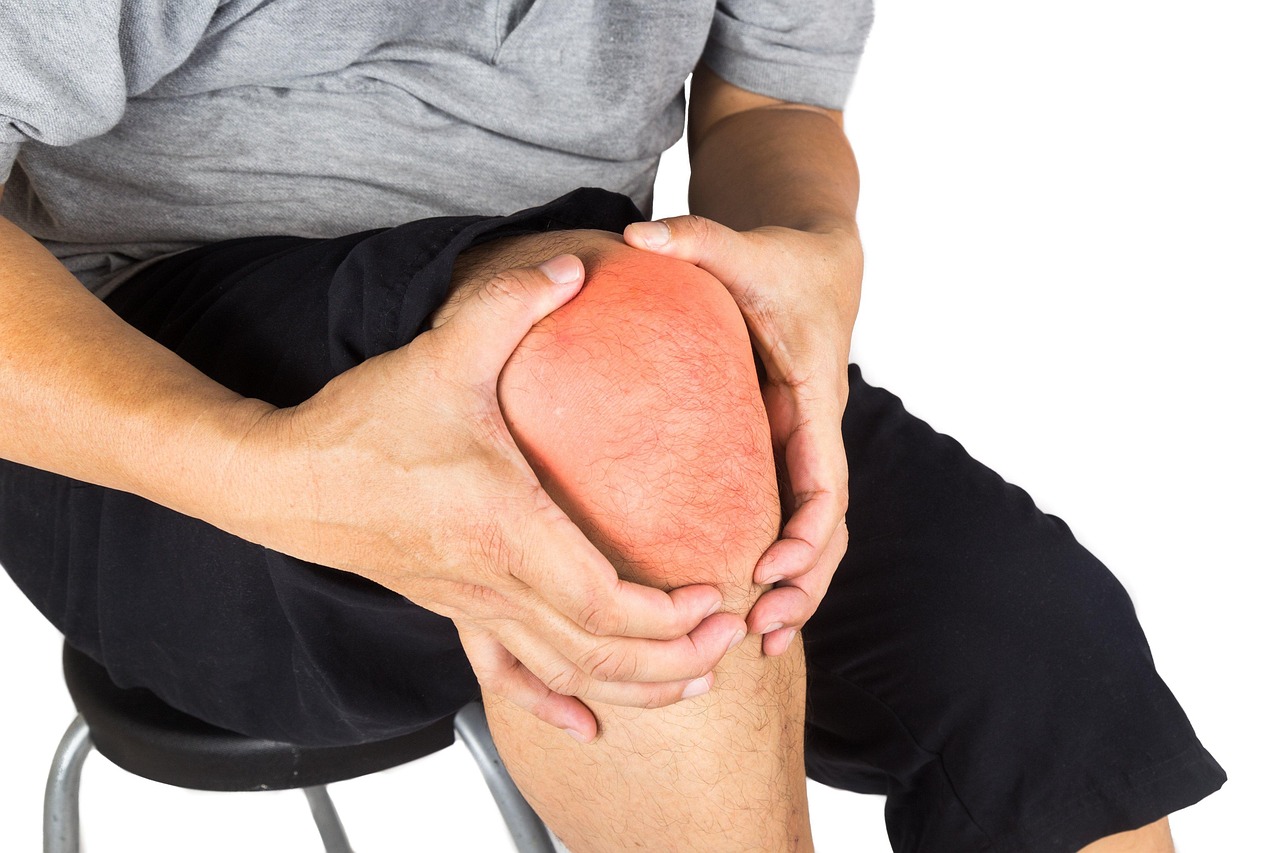
These microscopic, needle-like crystals are recognized as foreign invaders by the body's immune system. White blood cells attack the crystals, triggering a massive release of inflammatory cytokines. This results in the rapid onset of intense pain, swelling, redness, and heat characteristic of an acute gout flare.
Unlike a mechanical knee injury, which typically occurs during physical activity and has a clear mechanism (like twisting or a sudden impact), knee gout often appears suddenly, without trauma, and frequently wakes the patient from sleep in the middle of the night.
Causes
The fundamental cause of gout in the knee is hyperuricemia—an abnormally high level of uric acid in the blood. Uric acid is a natural byproduct of the body breaking down purines, which are found in certain foods to avoid, but you can also eat foods that help. Learn more about gout diet and diet plan guide.
When the kidneys fail to excrete enough uric acid, or when the body produces too much, the excess uric acid can crystallize. Knees, being peripheral joints that are slightly cooler than the body's core temperature, are prime locations for these crystals to form, as uric acid is less soluble at lower temperatures.
Certain triggers can precipitate a flare in an individual with underlying hyperuricemia. These include consuming high-purine foods, drinking alcohol (especially beer), dehydration, sudden changes in weight, or minor trauma to the knee.
Symptoms
The symptoms of a gout flare in the knee are intense and typically escalate rapidly over a period of 12 to 24 hours. The classic presentation includes:
- Severe Pain: The pain is often described as excruciating, throbbing, or burning. It is usually bad enough to prevent any weight-bearing.
- Massive Swelling: The knee may look significantly larger than the unaffected knee. The skin over the joint may appear stretched tight and shiny.
- Redness and Heat: The affected knee is typically visibly red and feels hot to the touch, resembling an infection.
- Extreme Tenderness: The joint is often exquisitely sensitive to even the lightest touch, such as a bedsheet resting on it.
- Restricted Mobility: Bending or straightening the leg becomes extremely difficult or impossible due to the swelling and pain.
Risk Factors
Several factors increase the likelihood of developing gout, including gout in the knee:
- Gender and Age: Men are more likely to develop gout earlier (between ages 30 and 50), while women's risk increases after menopause.
- Diet: A diet rich in red meat, organ meats, certain seafood (like shellfish), and beverages sweetened with high-fructose corn syrup.
- Alcohol Consumption: Regular consumption of alcohol, particularly beer and liquor, strongly correlates with gout risk.
- Medical Conditions: Obesity, hypertension, diabetes, metabolic syndrome, and chronic kidney disease are significant risk factors.
- Medications: Certain medications, such as thiazide diuretics (water pills) and low-dose aspirin, can increase uric acid levels.
- Prior Joint Injury: Joints that have been previously injured or have existing osteoarthritis are more susceptible to gout crystal deposition.
Diagnosis
Because the knee is vulnerable to many conditions, an accurate diagnosis is crucial. A physician will typically consider the following:
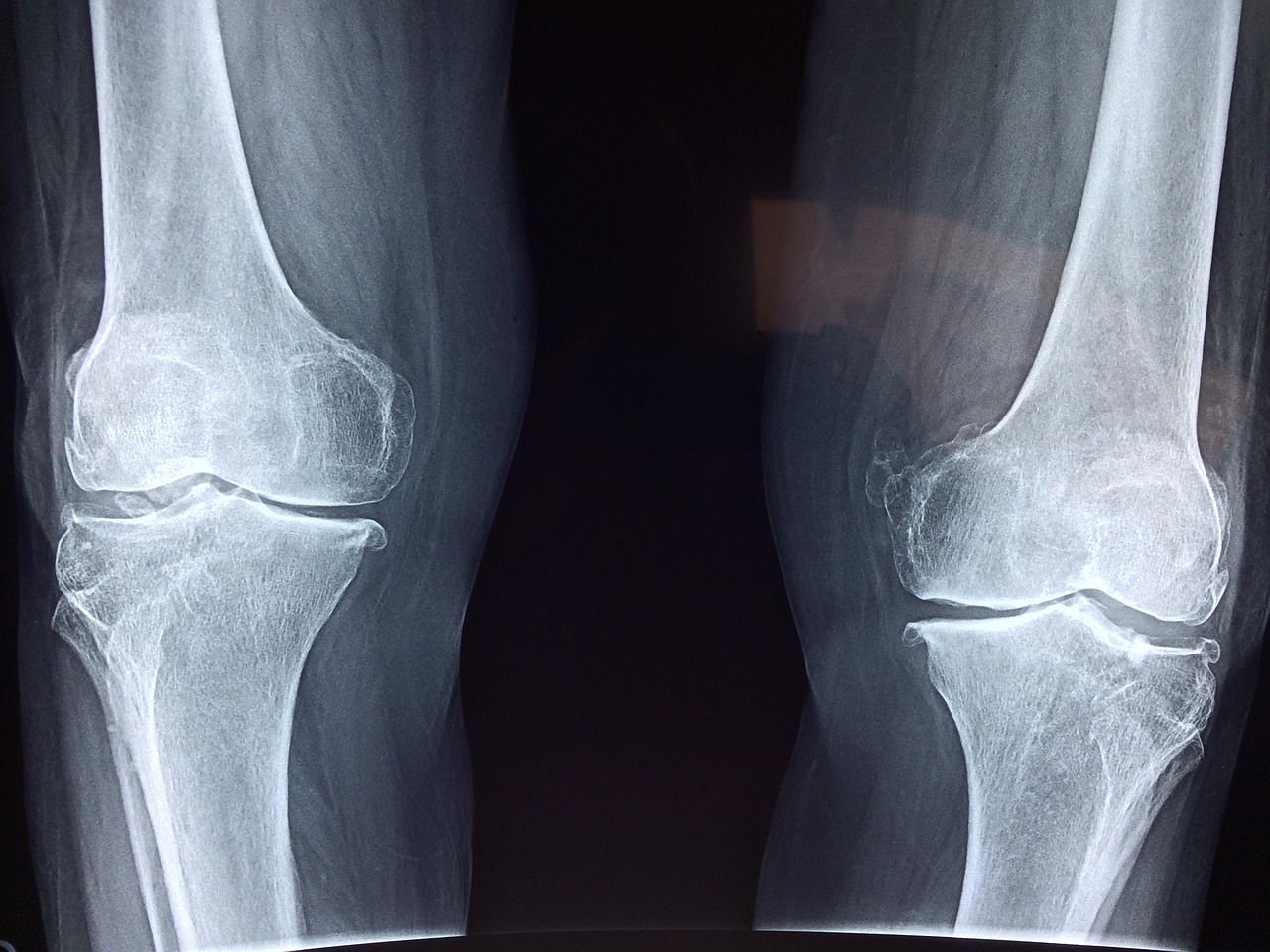
Joint Aspiration (Arthrocentesis): This is the gold standard for diagnosing knee gout. A doctor uses a needle to draw synovial fluid from the swollen knee. The fluid is then examined under a polarizing microscope. The presence of negatively birefringent, needle-shaped monosodium urate crystals confirms the diagnosis.
Differential Diagnosis: The doctor must rule out other conditions that mimic knee gout:
| Condition | Key Differences from Gout |
|---|---|
| Pseudogout | Caused by calcium pyrophosphate (CPP) crystals. Fluid analysis shows positively birefringent, rhomboid crystals. |
| Septic Arthritis | A dangerous joint infection. Often accompanied by systemic fever. Fluid analysis shows high white blood cell count and bacteria. Requires emergency IV antibiotics. |
| Osteoarthritis Flare | Pain is usually duller and related to wear-and-tear. Swelling is typically less dramatic and lacks intense redness/heat. |
| Meniscus Tear | Usually follows a specific twisting injury. Pain may be accompanied by clicking, locking, or giving way. |
Treatments
Treatment for knee gout aims to rapidly reduce inflammation and pain during a flare, followed by long-term strategies to lower uric acid levels.
Acute Flare Treatments:
- Corticosteroid Injections: Because the knee is a large, accessible joint, a doctor can inject a corticosteroid directly into the joint space, often immediately after drawing out excess fluid. This provides profound, rapid relief, often within hours.
- Oral Corticosteroids: A short course of oral prednisone can also rapidly suppress the inflammatory response.
- NSAIDs: High-dose nonsteroidal anti-inflammatory drugs like indomethacin, naproxen, or celecoxib are highly effective if started early in the attack.
- Colchicine: This specific gout medication is effective if taken within the first 12-24 hours of symptom onset.
Long-Term Preventative Treatments:
Once the acute flare resolves, the focus shifts to preventing future attacks using Urate-Lowering Therapy (ULT). Medications like allopurinol or febuxostat are prescribed to lower blood uric acid levels to a target below 6.0 mg/dL, which allows existing crystals to dissolve over time.
Home Remedies / Lifestyle Approaches
While medical treatment is usually necessary for a severe knee flare, certain natural remedies and gout remedies can support recovery, especially if you also suffer from gout in feet:
- Rest and Elevate: This is paramount. Do not attempt to walk on the affected leg. Keep the knee elevated above heart level on pillows to reduce swelling.
- Ice Therapy: Apply an ice pack wrapped in a thin towel for 20-30 minutes at a time, several times a day.
- Hydration: Drink plenty of water to help the kidneys flush out uric acid.
- Avoid Joint Stress: Avoid squats, kneeling, and stairs during recovery.
Prevention
Preventing knee gout requires a commitment to long-term management of hyperuricemia:
- Medication Adherence: Take your prescribed ULT (like allopurinol) daily, exactly as directed by your rheumatologist.
- Dietary Changes: Adopt a low-purine diet. Limit red meat, shellfish, and sugary drinks.
- Alcohol Restriction: Minimize or eliminate alcohol consumption, especially beer.
- Weight Management: Achieve and maintain a healthy weight gradually; sudden weight loss can trigger flares.
When to See a Doctor
A gout flare in the knee warrants medical evaluation to confirm the diagnosis and receive appropriate treatment. However, seek emergency medical care immediately if you experience:
- Sudden, severe joint pain accompanied by a fever or chills.
- Red streaks radiating from the knee joint.
- Inability to bear any weight on the leg whatsoever.
These are "red flag" symptoms that could indicate septic arthritis, a dangerous joint infection that requires immediate intervention to prevent permanent joint destruction.
Frequently Asked Questions
Can I use a knee brace during a gout flare?
A loose knee sleeve might provide a feeling of stability, but tight compression braces should generally be avoided during an acute flare, as the pressure on the inflamed joint will cause extreme pain.
Should I walk on a knee with gout?
You should avoid walking or bearing weight on a knee with an active gout flare. Resting the joint is crucial. Attempting to 'walk it off' will only exacerbate the inflammation and potentially prolong the attack.
Is it safe to ice a gouty knee?
Yes, applying an ice pack wrapped in a thin towel for 20-30 minutes at a time can help reduce inflammation and temporarily numb the severe pain.
How long does knee gout last?
An untreated knee gout flare can last 1 to 2 weeks. However, with prompt medical treatment (such as a corticosteroid injection or oral medications), significant relief can often be achieved within 24 to 48 hours.
Can knee gout cause permanent damage?
If left untreated over many years, repeated gout attacks can cause chronic inflammation that erodes the cartilage and bone of the knee joint, leading to permanent joint damage and deformity.
Sources & References
RemedyForGout has strict sourcing guidelines and relies on peer-reviewed studies, academic research institutions, and medical associations.
- Gout in the Knee: Symptoms and Treatments— Arthritis Foundation
- Clinical Characteristics of Knee Gout— American College of Rheumatology
- Management of Acute Gout Flare— National Institutes of Health (NIH)
- Differentiating Gout from Pseudogout— Mayo Clinic
- Joint Aspiration for Gout Diagnosis— Cleveland Clinic
- Gout vs Septic Arthritis— Johns Hopkins Medicine
Related Articles
What is Gout?
Understand the basics of this condition.
Gout Symptoms
Learn the signs of a gout flare.
Gout in the Feet
The most common location for gout.
Gout vs. Arthritis
Understand the differences.
Fast Relief Guide
How to stop a flare fast.
Gout Medications
Drugs for flares and prevention.
Gout Treatment
Overall strategy for gout.
When to See a Doctor
When to get medical help.
Gout Causes
Why uric acid builds up.
Gout Prevention
Long term approaches.