
Medically Reviewed by Dr. Sarah Mitchell, MD
Last Updated: April 2026
Introduction
When a gout flare strikes in the middle of the night, the immediate intensity of the pain can be overwhelming. While prescription medications are the fastest and most effective way to abort an attack, there are several powerful, evidence-based home remedies that can provide significant relief and speed up your recovery.
Home remedies for gout are not just old wives' tales; many are rooted in sound physiological principles aimed at reducing inflammation and promoting uric acid excretion. Knowing what to do—and equally importantly, what not to do—during the critical first few hours of a flare can change the trajectory of the attack.
This guide outlines practical, non-pharmacological interventions, lifestyle adjustments, and immediate physical strategies to help you manage the excruciating pain of a gout flare from the comfort of your home.
Overview of Home Remedies
Effective home management of gout focuses on two distinct physiological goals: acute symptom management (cooling the fire) and systemic uric acid management (flushing the system).
Acute home remedies involve physical interventions like cold therapy, elevation, and joint immobilization. These strategies attempt to minimize blood flow to the inflamed area and reduce the swelling that causes nerve compression and intense pain.
Systemic home remedies involve rapid dietary shifts—primarily aggressive hydration—to dilute the blood and assist the kidneys in processing the urate burden.
Addressing Causes at Home
While you cannot alter your genetics at home, you can directly influence the environmental causes of gout. The moment you feel a flare coming on, you must immediately halt any intake of substances that elevate uric acid.
This means an absolute, immediate ban on all alcohol (especially beer), high-fructose corn syrup, and high-purine meals. Continuing to consume these triggers during a flare is akin to pouring gasoline on a fire; it will sustain the hyperuricemia and prolong the attack indefinitely.
Relieving Acute Symptoms
The symptoms of an acute flare—intense heat, redness, swelling, and agonizing tenderness—require immediate physical intervention. The very first step is to protect the joint. If the gout is in your foot (a condition called podagra), remove your shoe and sock immediately to prevent any restrictive pressure on the swelling tissue.
Do not attempt to massage, rub, or "stretch out" the joint. The joint capsule is filled with microscopic, needle-like urate crystals. Physical manipulation will only cause those crystals to tear further into the delicate synovial tissues, vastly worsening the pain and inflammation.
Managing Lifestyle Risk Factors
Home management extends beyond the acute flare into daily habits. Managing lifestyle risk factors is a powerful form of self-care.
If you are overweight, committing to a gradual, sustainable weight loss plan is one of the most effective long-term home remedies available. Excess adipose tissue increases uric acid production and decreases renal excretion. However, you must avoid crash diets or fasting; rapid tissue breakdown releases massive amounts of purines into the bloodstream, which can trigger a severe flare.
When Home Remedies Aren't Enough
It is vital to recognize the limitations of home care. If this is your first episode of severe joint pain, you cannot definitively self-diagnose gout. Conditions like pseudogout or a severe bacterial joint infection (septic arthritis) mimic gout perfectly but require vastly different medical interventions.
If home remedies and over-the-counter anti-inflammatories do not provide significant relief within 48 hours, or if your pain is accompanied by a fever and chills, home care is no longer sufficient.
Complementing Medical Treatments
Home remedies should never replace prescribed medical treatments; they should complement them. The most effective protocol is synergistic.
For example, taking a prescribed dose of colchicine or an NSAID, followed immediately by applying an ice pack and elevating the limb, provides both systemic chemical suppression of the inflammation and localized physical relief. If you are on a daily urate-lowering therapy (like allopurinol), it is crucial that you continue taking it exactly as prescribed during the flare.
Core Home Remedies Protocol
1. Ice Therapy (Cold Compresses)
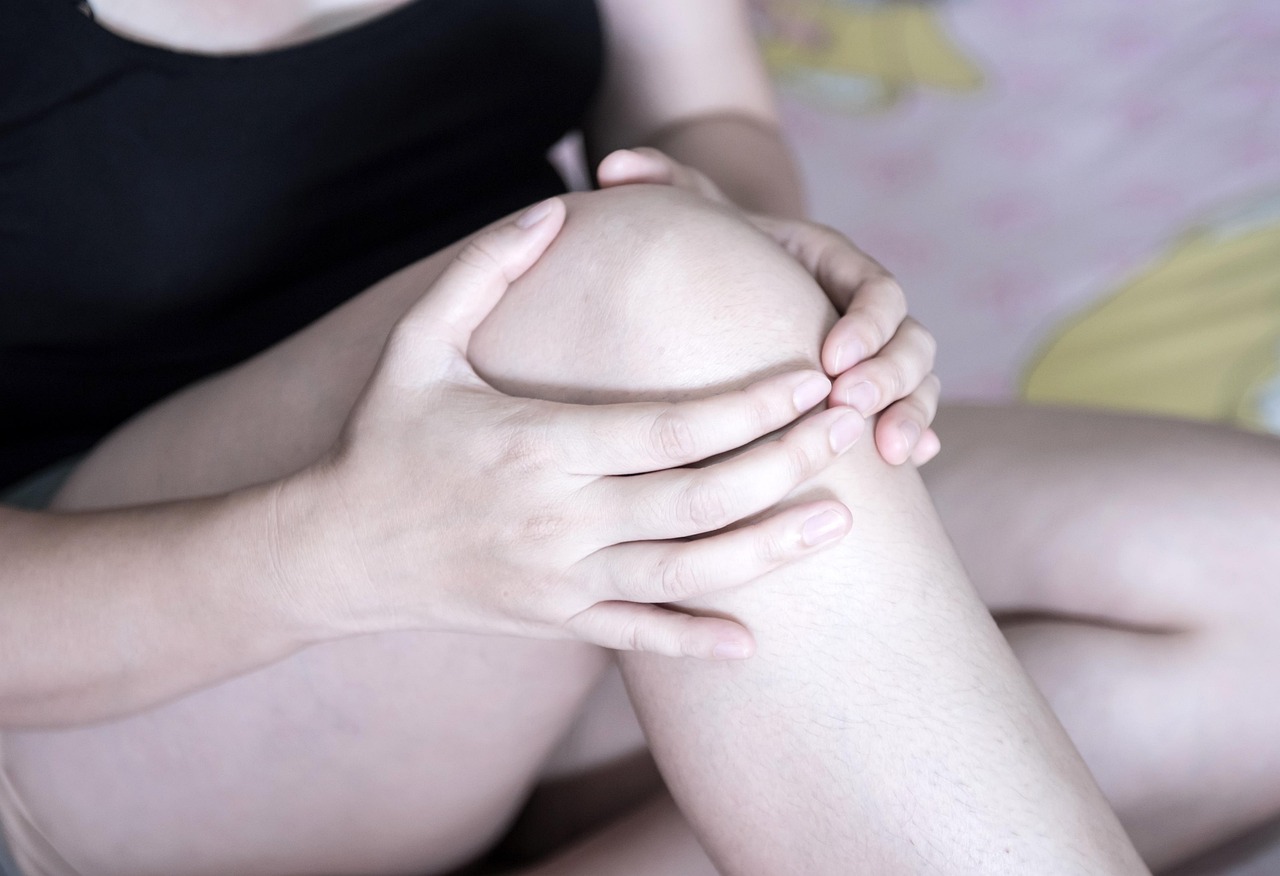
Applying cold to the inflamed joint is highly effective. Cold constricts the blood vessels, reducing the blood flow that feeds the inflammation. It also acts as a mild local anesthetic, dulling the nerve endings.
- Method: Wrap a gel ice pack or a bag of frozen peas in a thin towel (never apply ice directly to the skin). Gently rest it on the affected joint.
- Duration: Apply for 20 to 30 minutes at a time, allowing the skin to return to normal temperature between applications.
2. Elevation and Rest

Gravity exacerbates swelling. If the gout is in a lower extremity, fluid pools there, increasing the pressure inside the joint capsule.
- Method: Lie down and prop the affected foot or knee on several pillows. The goal is to elevate the joint higher than the level of your heart to encourage fluid to drain back toward the body core.
- Rest: Absolute bed rest is recommended during the peak of the flare. Use crutches or a cane if you must move to use the restroom.
3. Aggressive Hydration
Water is the best solvent for uric acid.
- Method: Aim to drink 3 to 4 liters (about a gallon) of water over the course of the day. You can add fresh lemon juice, which has a mild alkalizing effect on the urine, further aiding in uric acid excretion.
4. Natural Supplements
Certain natural supplements have proven anti-inflammatory properties. Tart cherry juice or extract is the most widely supported, as the anthocyanins block inflammatory pathways. Vitamin C (500mg) can also act as a mild uricosuric, helping the kidneys process the acid.
Prevention Through Habits
The best home remedy is prevention. Once the flare subsides, your home routine should shift focus to maintaining low uric acid.
This involves adopting a strict gout diet. Emphasize foods that help (like low-fat dairy, complex carbohydrates, and vegetables) while strictly limiting high-purine foods (like organ meats and certain seafood). Maintaining daily hydration goals, even when pain-free, is essential to keep the kidneys functioning optimally.
When to See a Doctor
Do not stubbornly rely on home remedies if your condition is worsening. You should see a doctor immediately if:
- The pain is unbearable and over-the-counter painkillers offer no relief.
- You develop a fever or experience chills.
- The redness and heat begin to spread rapidly up your limb (a sign of possible cellulitis or infection).
- The flare does not significantly improve after a few days of home management.
Frequently Asked Questions
Should I use heat or ice for a gout attack?
Always use ICE (cold compresses). Gout is a highly inflammatory condition. Applying heat will increase blood flow to the area, which can significantly worsen the inflammation, swelling, and throbbing pain. Cold therapy constricts blood vessels, reducing swelling and numbing the pain.
Can drinking water stop a gout flare?
While drinking water won't instantly stop a flare that has already erupted, aggressive hydration is absolutely crucial. It helps your kidneys flush out excess uric acid, dilutes the blood, and can significantly shorten the duration and severity of the attack.
Does Epsom salt help with gout pain?
There is no scientific evidence that drinking Epsom salt water or soaking the joint in it lowers uric acid or treats gout. In fact, soaking a gout-inflamed joint in warm water (even with salts) can increase blood flow and worsen the pain.
Can I walk on my foot during a gout attack?
You should avoid walking on an affected joint as much as possible. The joint is full of sharp microscopic crystals and severe inflammation; putting weight and pressure on it causes excruciating pain and can lead to further tissue damage.
Are cherries really effective for gout?
Yes, there is substantial clinical evidence supporting cherries. Tart cherries contain high levels of anthocyanins, which act as natural anti-inflammatories (similar to NSAIDs). Consuming tart cherry extract or juice can reduce the frequency of flares.
Sources & References
RemedyForGout has strict sourcing guidelines and relies on peer-reviewed studies, academic research institutions, and medical associations.
- Gout - Home Remedies— Arthritis Foundation
- Natural and Home Remedies for Gout— Mayo Clinic
- Complementary Health Approaches for Arthritis— National Center for Complementary and Integrative Health (NCCIH)
- Non-Pharmacological Management of Gout— American College of Rheumatology
- Dietary Supplements for Gout— Johns Hopkins Medicine
- The Role of Hydration in Uric Acid Excretion— Clinical Journal of the American Society of Nephrology
Related Articles
Natural Remedies
Explore herbal supplements and extracts.
Fast Relief Guide
Step-by-step protocol for acute flares.
Gout Diet
Foods that help and foods to avoid.
Foods to Avoid
High-purine triggers to eliminate.
Foods That Help
Dietary choices that lower uric acid.
Gout Treatment
Medical strategies for managing gout.
When to See a Doctor
When home remedies aren't enough.
Gout Symptoms
How to identify a flare early.