
Medically Reviewed by Dr. Sarah Mitchell, MD
Last Updated: April 2026
Introduction
The onset of a gout attack is often described as one of the most painful experiences an individual can endure. The signs and symptoms of gout almost always occur suddenly, frequently waking the sufferer in the middle of the night. Unlike some forms of chronic arthritis that ache dully over time, a gout flare announces itself with unmistakable intensity.
Recognizing the early signs of a gout flare is critical because early intervention can dramatically reduce the severity and duration of the attack. Understanding these symptoms also helps distinguish gout from other joint issues, ensuring appropriate medical care.
This comprehensive guide details the common symptoms, early warning signs, and the typical progression of a gout flare to help you identify and manage the condition effectively.
Overview of Gout Symptoms
Gout symptoms are primarily the result of acute inflammation caused by the body's immune system reacting to microscopic, needle-like urate crystals deposited in the joint space. This inflammatory response leads to the classic tetrad of inflammation: pain, heat, redness, and swelling.
Most commonly, gout affects a single joint at a time, particularly during early attacks. The metatarsophalangeal (MTP) joint at the base of the big toe is the most frequent target, but knees, ankles, wrists, and fingers are also susceptible.
Between gout flares, individuals typically experience symptom-free periods known as intercritical gout. However, without treatment, the frequency, duration, and severity of flares generally increase over time.
Causes Behind Symptoms
The symptoms of gout are directly caused by hyperuricemia, an excess of uric acid in the blood. When uric acid levels exceed the saturation point (typically around 6.8 mg/dL), the acid crystallizes into monosodium urate crystals within the joints and surrounding soft tissues.
The immune system perceives these crystals as foreign invaders. White blood cells (macrophages and neutrophils) attempt to engulf and destroy the crystals, a process that triggers a massive release of inflammatory cytokines. This chemical cascade is what produces the sudden and intense symptoms.
The rapid onset of symptoms is a hallmark of this inflammatory cascade, distinguishing gout from the gradual wear-and-tear symptoms of osteoarthritis.
Detailed Symptoms

During an acute gout flare, the affected joint will typically exhibit these classic signs of severe inflammation:
- Intense Joint Pain: The pain is usually described as throbbing, crushing, or burning. It is likely to be most severe within the first four to 12 hours after it begins.
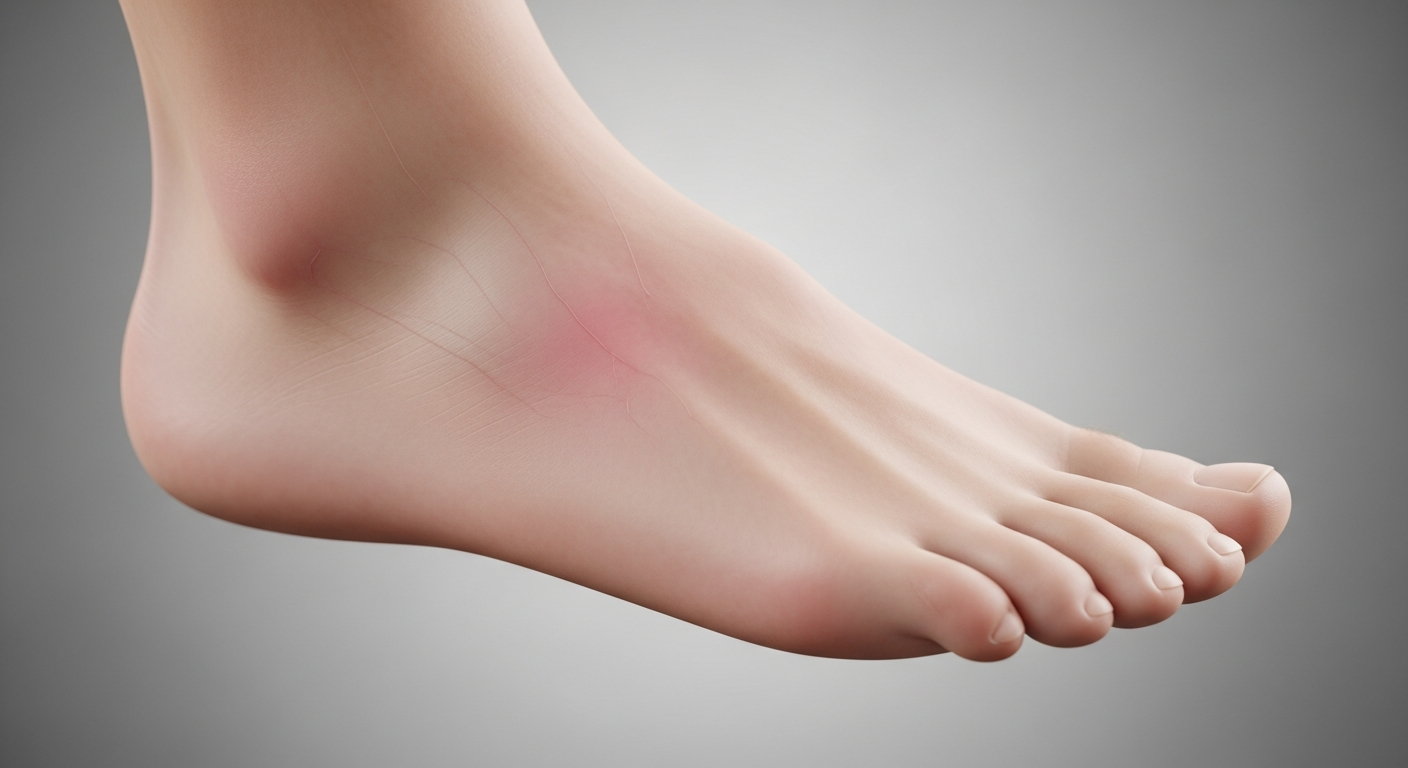
- Inflammation and Redness: The affected joint becomes swollen, tender, warm, and red. The skin over the joint may look shiny and stretched tight due to the rapid accumulation of fluid.
- Extreme Tenderness: The joint becomes exquisitely sensitive to any contact. Even the light pressure of a bedsheet or the vibration of someone walking across the room can cause excruciating pain.
- Limited Range of Motion: As gout progresses, you may not be able to move your joints normally due to the severe swelling and pain.
- Lingering Discomfort: After the most severe pain subsides, some joint discomfort may last from a few days to a few weeks.
Some individuals experience early warning signs, known as a prodrome, hours or a day before the severe pain hits. These can include a slight tingling, mild stiffness, itching, or a feeling of warmth in the joint.
| Timeframe | Symptom Progression |
|---|---|
| Hours 0 - 4 | Rapid onset of pain, often beginning at night. Joint becomes tender and starts swelling. |
| Hours 12 - 24 | Pain typically reaches its peak intensity. Swelling, heat, and redness are most prominent. |
| Days 2 - 4 | Severe pain begins to subside, though the joint remains very tender and swollen. |
| Days 5 - 14 | Swelling resolves. The skin over the joint may peel or itch as inflammation decreases. |
Risk Factors
Understanding who is at risk can help contextualize symptoms. Men are significantly more likely to experience gout symptoms earlier in life (between ages 30-50), while women generally develop symptoms post-menopause.
Individuals with a diet high in purines (red meat, shellfish) and fructose, or those who consume excessive alcohol (especially beer), are at higher risk of experiencing acute symptoms.
Medical conditions such as obesity, hypertension, diabetes, and kidney disease are strong risk factors for developing hyperuricemia and, consequently, gout symptoms.
Diagnosis Based on Symptoms

A physician will evaluate the rapid onset, intensity, and specific location of the symptoms. The presence of acute podagra (gout in the big toe) is a strong clinical indicator.
While symptoms provide a strong diagnostic clue, a definitive diagnosis requires identifying urate crystals in the synovial fluid extracted from the symptomatic joint.
Blood tests for uric acid levels are helpful but can be misleading during an acute flare, as serum urate levels can temporarily drop due to the inflammatory response shifting urate out of the blood and into tissues.
Treating Symptoms
The immediate goal of treating an acute flare is to alleviate symptoms rapidly. Medications are the cornerstone of acute symptom management.
Nonsteroidal anti-inflammatory drugs (NSAIDs) like indomethacin or naproxen, corticosteroids (oral or injected), and colchicine are commonly used to block the inflammatory cascade and reduce pain and swelling.
Starting treatment at the earliest sign of symptoms (the prodrome phase) significantly improves the efficacy of these medications and can sometimes abort the full attack entirely.
Home Remedies
Alongside medical intervention, several home remedies can help manage acute symptoms. Resting and elevating the affected joint is crucial.
Applying an ice pack wrapped in a cloth to the joint for 20-30 minutes several times a day can help reduce local inflammation and numb the intense pain.
Staying well-hydrated helps the kidneys excrete uric acid, potentially shortening the duration of the symptomatic period.
Symptom Prevention
Preventing symptoms requires long-term management of the underlying hyperuricemia. Urate-lowering therapies (ULT) like allopurinol or febuxostat are used to keep serum urate levels consistently below 6.0 mg/dL.
Dietary modifications, including a gout-friendly diet that limits purines and alcohol, are essential for preventing the accumulation of urate crystals that trigger symptoms.
Maintaining a healthy weight and managing comorbid metabolic conditions significantly reduces the frequency and severity of gout flares.
When to See a Doctor
While gout symptoms are excruciating, they are rarely a medical emergency. However, you should see a doctor immediately if you experience a fever or chills along with sudden, intense joint pain and swelling.
A hot, intensely inflamed joint accompanied by fever could indicate septic arthritis (a severe joint infection), which requires immediate antibiotic treatment to prevent permanent joint damage.
Additionally, seek medical advice if this is your first suspected gout attack, or if your symptoms do not improve after a few days of prescribed treatment.
Frequently Asked Questions
Can you have gout without swelling?
While extremely rare during an acute attack, it's possible to have mild joint discomfort related to uric acid crystals before full swelling develops. However, a true acute gout flare is almost always accompanied by visible swelling.
Why do gout attacks often start at night?
Gout flares frequently begin at night or early morning. This is believed to happen because body temperature drops during sleep, and water is reabsorbed from joint fluid, making uric acid more concentrated and more likely to crystallize.
Is it gout or a sprained toe?
A sprain typically follows a specific injury or trauma. Gout usually appears suddenly without physical trauma. Gout joints also become characteristically red, hot to the touch, and intensely sensitive to light pressure (like a bedsheet).
How long do the symptoms of a gout attack last?
An untreated gout attack generally lasts between 3 to 14 days. However, treatment can shorten the duration significantly, and the most intense pain usually occurs in the first 24 hours.
Can gout symptoms move from one joint to another?
Yes, particularly in advanced or chronic gout, symptoms can migrate from one joint to another, or multiple joints can be affected simultaneously. This is less common during a first flare, which usually targets a single joint.
Sources & References
RemedyForGout has strict sourcing guidelines and relies on peer-reviewed studies, academic research institutions, and medical associations.
- Symptoms of Gout— Arthritis Foundation
- Gout— National Health Service (NHS)
- Clinical Presentation of Gout— American College of Rheumatology
- Gout: Symptoms and Causes— Mayo Clinic
- Gout: Epidemiology and Pathology— Johns Hopkins Medicine
- Diagnosis and Management of Gout— Cleveland Clinic
Related Articles
What is Gout?
Understand the basics of this condition.
Gout Causes
Discover what triggers these painful symptoms.
When to See a Doctor
Know when your symptoms require professional care.
Gout in the Feet
Learn about the most common site of gout flares.
Gout in the Knee
Symptoms and treatments for knee gout.
Gout vs. Arthritis
Understand the differences in symptoms.
Gout Treatment
How to alleviate symptoms fast.
Gout Remedies
Remedies to manage painful symptoms.