
Medically Reviewed by Dr. Sarah Mitchell, MD
Last Updated: April 2026
Introduction
When a gout flare strikes, the pain is so intense that finding immediate relief becomes the only priority. Fortunately, modern medicine offers highly effective treatments to not only extinguish the fire of an acute attack but also correct the underlying metabolic imbalance that causes the disease.
Medication is the most reliable, evidence-based method to treat gout. However, gout treatment is uniquely complex because it requires managing two completely different problems: acute, severe inflammation and chronic, silent hyperuricemia. It is also important to consider a gout diet and foods to avoid.
This comprehensive guide details the specific prescription medications used in gout treatment, explaining how they work, when they should be taken, and the common pitfalls patients encounter when navigating their pharmaceutical options. Also explore foods that help gout, natural remedies, and gout remedies. Check our diet plan guide and learn when to see a doctor if you have gout in feet or gout in knee.
Two Distinct Classes of Medications
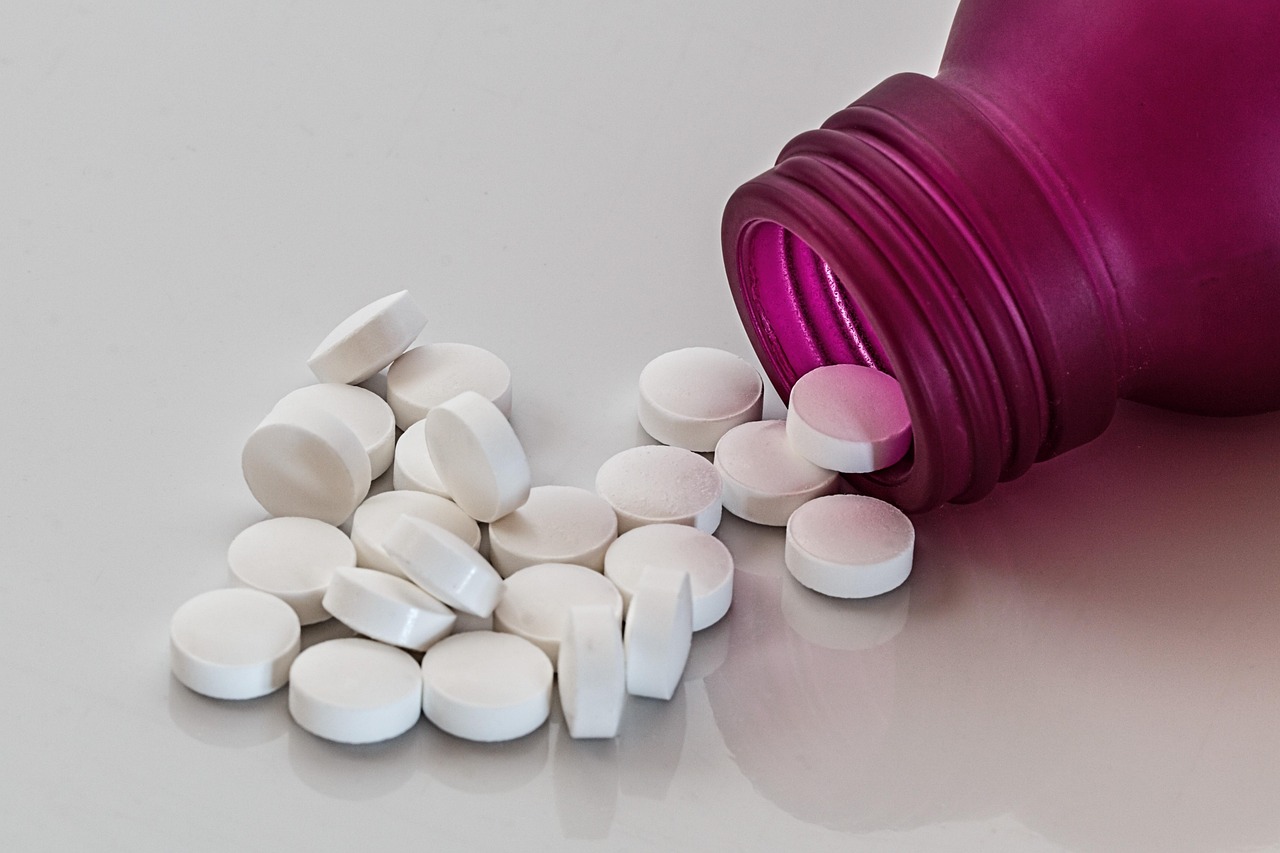
The most common reason gout treatment fails is patient confusion regarding their medications. It is critical to understand that gout drugs fall into two entirely separate classes with completely different goals:
- Drugs to stop a flare: These target pain and severe inflammation. They do nothing to lower your uric acid levels. They are taken only when you feel an attack coming on or are actively in pain.
- Drugs to prevent flares (ULT): These lower uric acid levels in the blood. They do not stop acute pain; in fact, starting them during a flare can sometimes make the pain worse. They must be taken daily, even when you feel perfectly fine.
Phase 1: Medications for Acute Flares

These medications should be taken at the very first sign of symptoms—the "prodrome" phase before the severe pain hits.
1. NSAIDs (Nonsteroidal Anti-inflammatory Drugs)
NSAIDs are typically the first line of defense for a healthy patient experiencing an acute attack.
- Options: Over-the-counter ibuprofen (Advil) or naproxen (Aleve) at high doses. Prescription options include indomethacin (Indocin) and celecoxib (Celebrex), which are heavily favored for gout.
- Mechanism: They block COX enzymes, thereby halting the production of prostaglandins, the chemicals that cause inflammation and pain.
- Caution: High-dose NSAIDs can be dangerous for patients with kidney disease, a history of stomach ulcers, or severe cardiovascular disease. Note: Aspirin should be avoided, as it can alter uric acid excretion.
2. Colchicine (Colcrys, Mitigare)
Colchicine is a highly effective, ancient medication derived from the autumn crocus plant, used specifically for gout.
- Mechanism: It works uniquely by preventing white blood cells (neutrophils) from traveling into the inflamed joint and attacking the urate crystals, effectively stopping the inflammatory cascade in its tracks.
- Timing: It is exceptionally effective if taken within the first 12 to 24 hours of an attack. After 36 hours, its efficacy drops significantly.
3. Corticosteroids
Corticosteroids, such as prednisone, are powerful synthetic hormones that suppress the immune system's inflammatory response.
- Administration: They can be taken as oral pills (usually a tapering dose over several days) or injected directly into the affected joint by a physician.
- Use Case: They are frequently prescribed for patients who cannot tolerate NSAIDs or colchicine, particularly those with reduced kidney function. Intra-articular injections provide the fastest, most profound localized relief.
Phase 2: Uric Acid Lowering Therapies (ULT)
Once the acute flare has subsided, the focus shifts to prevention. ULT drugs aim to lower your blood uric acid level below the therapeutic target of 6.0 mg/dL.
1. Allopurinol (Zyloprim)
Allopurinol is the undisputed gold standard, first-line medication for gout prevention.
- Class: Xanthine oxidase inhibitor (XOI).
- Mechanism: It blocks the enzyme (xanthine oxidase) responsible for converting purines into uric acid, dramatically reducing the body's overall uric acid production.
- Usage: Taken daily as a pill. The dose is titrated (slowly increased) over weeks until blood tests confirm uric acid is below 6.0 mg/dL.
2. Febuxostat (Uloric)
Febuxostat is another XOI, often used if patients cannot tolerate allopurinol or if allopurinol isn't effective enough.
- Mechanism: It works similarly to allopurinol by limiting uric acid production, but is metabolized differently, primarily by the liver rather than the kidneys.
3. Probenecid
Probenecid is typically prescribed for patients whose kidneys specifically under-excrete uric acid naturally.
- Class: Uricosuric.
- Mechanism: It blocks the reabsorption of uric acid in the renal tubules, forcing the kidneys to excrete more uric acid into the urine.
- Requirement: Patients must drink massive amounts of water to prevent the high volume of uric acid from forming kidney stones.
4. Pegloticase (Krystexxa)
This is a biological drug used only for severe, chronic, tophaceous gout that has not responded to standard oral treatments.
- Administration: Given via intravenous (IV) infusion in a clinical setting every two weeks.
- Mechanism: It contains a recombinant uricase enzyme (an enzyme humans lack) that rapidly metabolizes uric acid into allantoin, a harmless, highly soluble chemical that is easily excreted. It dissolves massive crystal deposits very quickly.
| Medication | Purpose | When to Take |
|---|---|---|
| Indomethacin / Naproxen | Stop acute inflammation | Immediately at the first sign of a flare. |
| Colchicine | Stop acute immune response | Within first 24 hrs of a flare (or daily low-dose when starting ULT). |
| Prednisone | Suppress severe inflammation | During severe flares, especially if kidneys are compromised. |
| Allopurinol / Febuxostat | Lower blood uric acid | Daily, forever. Do not stop during a flare. |
The Danger Zone: Starting ULT
Starting a drug like allopurinol is precarious. As the drug rapidly lowers the concentration of uric acid in the blood, the solid urate crystals embedded in the joints begin to dissolve. As they shrink and shift, they expose new surfaces to the immune system, frequently triggering a paradoxical "mobilization flare."
To prevent patients from abandoning the drug due to these initial flares, rheumatologists concurrently prescribe prophylactic (preventative) therapy. This usually involves taking a daily low dose of colchicine (0.6 mg) or an NSAID for the first 3 to 6 months of allopurinol treatment. This provides an anti-inflammatory shield while the drug clears the body's crystal burden.
Managing Side Effects
All medications carry potential side effects, which must be managed with a physician:
- NSAIDs: Prolonged use can cause stomach ulcers, gastrointestinal bleeding, and kidney damage.
- Colchicine: Frequently causes gastrointestinal distress, including severe diarrhea, nausea, and cramping, particularly if dosed too high.
- Allopurinol: Generally well-tolerated, but can occasionally cause a severe, life-threatening skin rash (Allopurinol Hypersensitivity Syndrome), particularly in patients of Han Chinese, Korean, Thai, or African descent who carry the HLA-B*5801 gene variant.
Combining Medications with Home Remedies
Medications are most effective when combined with supportive home remedies. For acute flares, combining prescribed NSAIDs with ice therapy and strict elevation provides the fastest relief. For long-term management, combining allopurinol with a low-purine gout diet and aggressive hydration ensures the medication works at the lowest possible dose.
Long-Term Medication Adherence
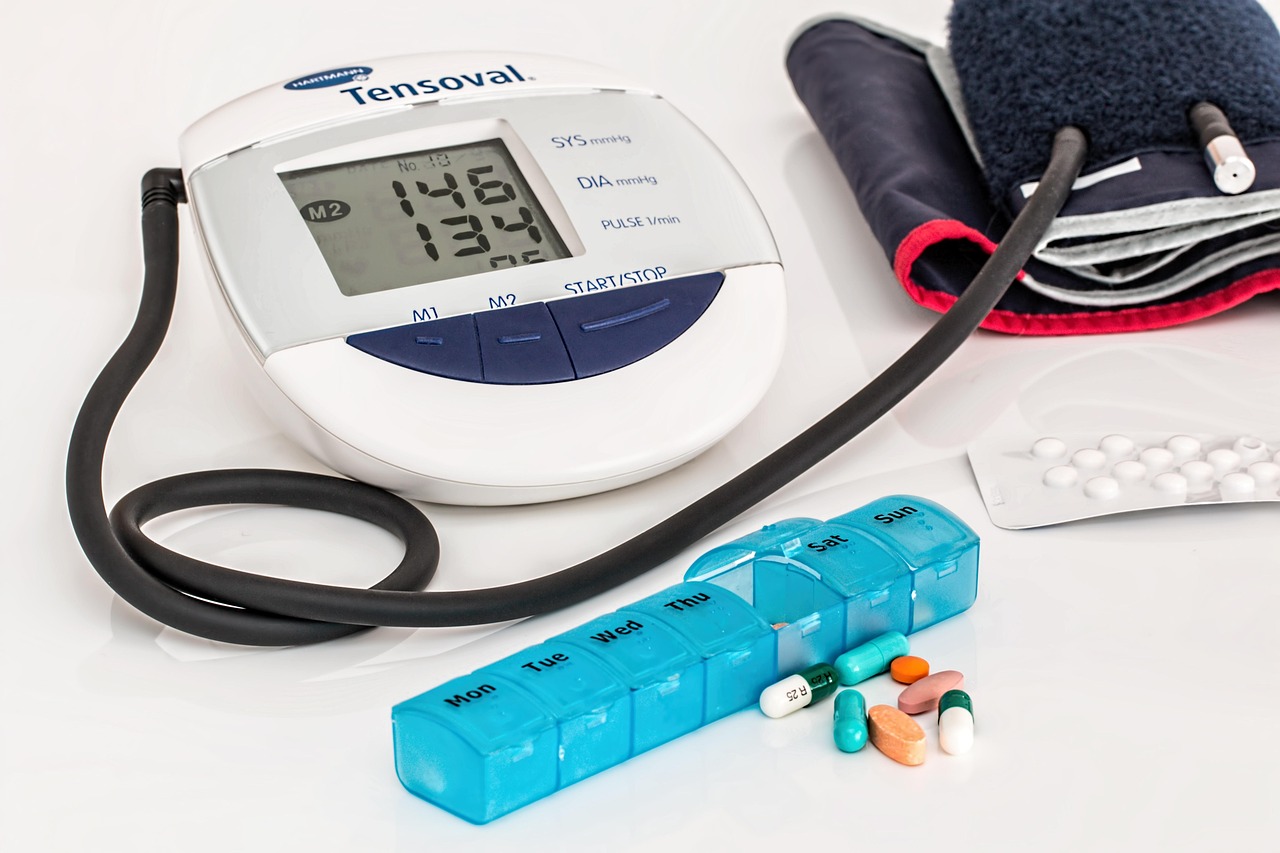
Gout is a lifelong condition. The most critical factor in preventing joint destruction is unwavering adherence to your daily ULT medication. Treating gout is exactly like treating high blood pressure; you don't stop taking your blood pressure medication just because your blood pressure is normal today. You take it so it stays normal.
When to Adjust Your Medications
You should see a doctor to adjust your medications if:
- Your acute flare medications provide no relief after 48 hours.
- You develop severe diarrhea or vomiting from colchicine.
- You develop any sort of skin rash shortly after starting allopurinol (seek emergency care immediately).
- You continue to have frequent flares despite being on daily allopurinol, indicating your dose needs to be titrated upward.
Frequently Asked Questions
Why did my gout get worse when I started allopurinol?
When you first start taking uric acid-lowering drugs like allopurinol, the sudden drop in blood uric acid causes existing crystal deposits in your joints to shift and break apart. This mobilization paradoxically triggers the immune system, causing a flare. Because of this, doctors prescribe a low dose of colchicine or NSAIDs to take alongside allopurinol for the first few months.
Do I have to take gout medication forever?
Usually, yes. Gout is a chronic metabolic condition driven by genetics and kidney function. If you stop taking uric acid-lowering therapy (ULT), your uric acid levels will eventually rise again, leading to new crystal formation and the return of painful flares.
Can I just take colchicine every day to prevent flares?
Colchicine is often taken daily in low doses (0.6 mg) for the first 3-6 months when starting allopurinol to prevent mobilization flares. However, it is not a long-term preventative because it does not lower uric acid; it only masks the inflammation while the crystals continue to quietly damage the joint.
What is the difference between allopurinol and febuxostat?
Both are xanthine oxidase inhibitors that block uric acid production. Allopurinol is the older, much cheaper, first-line standard. Febuxostat (Uloric) is newer, more expensive, and processed differently by the liver, making it an alternative for patients who have kidney issues or who develop an allergy to allopurinol.
Are steroid injections painful?
A corticosteroid injection directly into a gouty joint (like a swollen knee or toe) can cause brief discomfort from the needle, but the injection often contains a local anesthetic (like lidocaine). Patients typically experience massive, rapid relief from the gout pain within hours.
Sources & References
RemedyForGout has strict sourcing guidelines and relies on peer-reviewed studies, academic research institutions, and medical associations.
- Gout Medications— Arthritis Foundation
- Guidelines for the Management of Gout— American College of Rheumatology
- Urate-Lowering Therapy— National Institutes of Health (NIH)
- Medications for Gout— Mayo Clinic
- Allopurinol vs. Febuxostat— New England Journal of Medicine (NEJM)
- Treatment of Acute Gout Flares— Cleveland Clinic
Related Articles
Gout Treatment Overview
Understand the overall strategy.
Fast Relief Guide
How to stop a flare fast.
Gout Causes
Why you need these medications.
Natural Remedies
Supplements to support treatment.
When to See a Doctor
When to seek professional medical advice.
Gout Prevention
Long term strategies.
Gout Symptoms
When to take acute meds.
Gout Diet
Dietary support for medications.