
Medically Reviewed by Dr. Sarah Mitchell, MD
Last Updated: April 2026
Introduction
To effectively manage and prevent gout, one must understand the underlying biological mechanisms that cause it. Gout is not an arbitrary joint condition; it is the direct result of a specific metabolic imbalance involving uric acid. Understanding the causes of this ancient disease is the first step toward reclaiming your joint health and living a pain-free life.
While gout is often associated with dietary choices, the reality is much more complex, involving a combination of genetics, kidney function, and lifestyle factors. The old stigma that gout only affects the wealthy or indulgent is medically inaccurate. Millions of people with balanced diets still suffer from this condition due to genetic predispositions affecting kidney function.
This article delves deeply into the primary causes of gout, exploring how hyperuricemia develops, the physiological triggers of a flare, and why certain individuals are more susceptible than others. We will explore everything from cellular metabolism to the foods on your plate.
Overview of Gout Causes
At its core, gout is caused by the deposition of monosodium urate crystals in the joints and soft tissues. These microscopic crystals act like shards of glass inside the joint capsule, provoking an intense inflammatory response from the body's immune system.
The prerequisite for this crystallization is hyperuricemia—an abnormally high concentration of uric acid in the blood. Uric acid is a natural waste product produced during the metabolism of purines, compounds found both naturally within the body's cells and in certain foods.
Normally, uric acid dissolves in the blood, passes through the kidneys, and is excreted in urine. Gout develops when this delicate balance is disrupted, either by the overproduction of uric acid or, much more commonly, by the underexcretion of uric acid by the kidneys.
The Primary Cause: Hyperuricemia
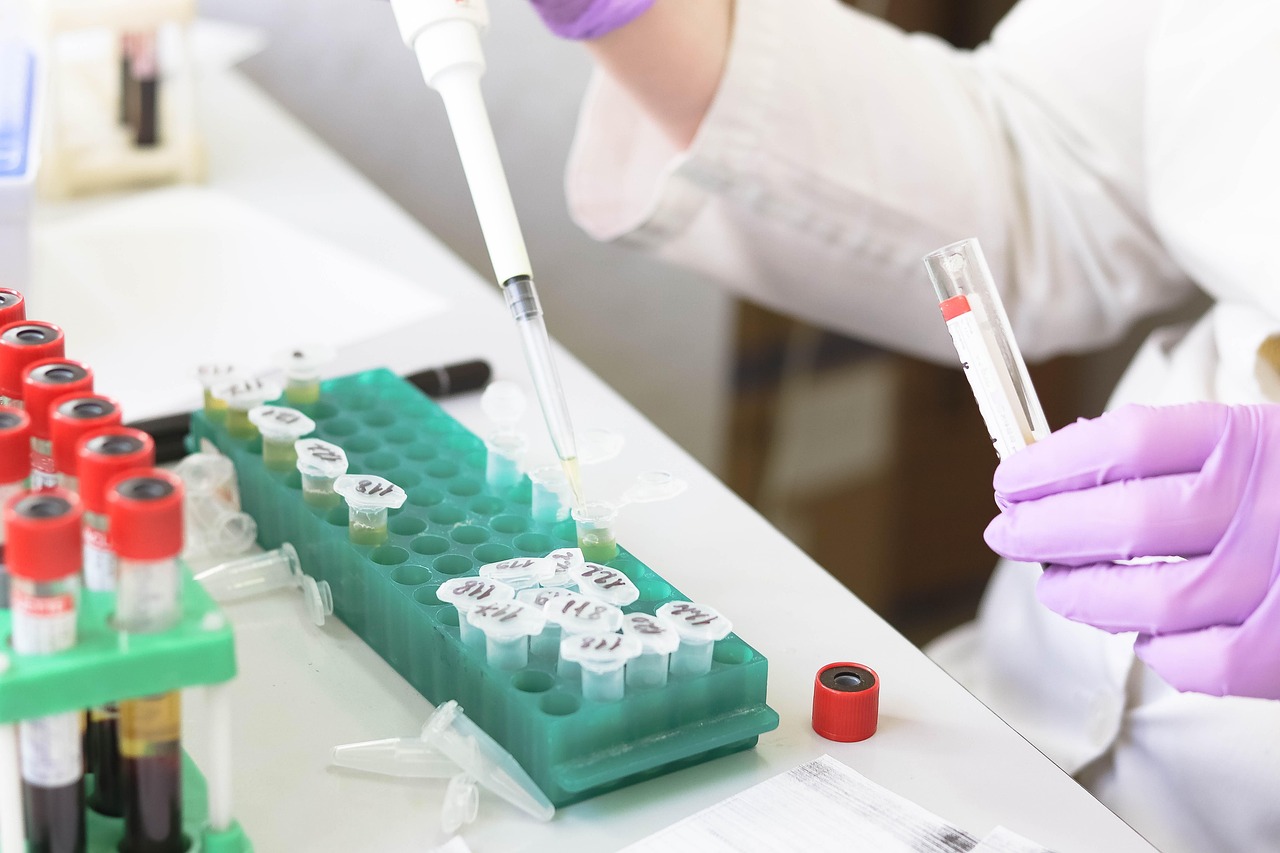
Hyperuricemia is the biochemical root cause of gout. Medical professionals generally define hyperuricemia as a serum urate level greater than 6.8 mg/dL, which is the physiological saturation point where urate can no longer remain dissolved in the blood at normal body temperature. When the blood becomes super-saturated, the urate begins to precipitate out as solid crystals.
Approximately 90% of gout cases are due to underexcretion. In these individuals, the kidneys fail to filter out sufficient uric acid, allowing it to accumulate in the bloodstream. This impaired kidney function can be driven by genetics, medications, or chronic kidney disease. It is a fundamental filtration problem rather than a production problem.
The remaining 10% of cases are due to overproduction. This occurs when the body generates an excessive amount of uric acid, often due to high-purine diets, massive cell turnover (as seen in certain cancers, psoriasis, or chemotherapy treatments), or rare genetic enzyme defects (such as Lesch-Nyhan syndrome or PRPP synthetase overactivity).
Symptoms Triggered by Causes
The excruciating symptoms of a gout attack are directly caused by the immune system's interaction with urate crystals. Once serum urate levels remain high for an extended period, microscopic crystals begin to form in the cooler, peripheral joints—most famously the metatarsophalangeal (MTP) joint of the big toe, a condition known as podagra.
When a crystal dislodges or shifts, it triggers the innate immune system. White blood cells known as macrophages engulf the crystals but are unable to digest them. This failure causes the macrophages to release powerful inflammatory mediators (such as Interleukin-1 beta), causing the rapid onset of pain, severe swelling, heat, and redness characteristic of an acute flare.
This inflammatory cascade is incredibly rapid, which is why gout symptoms often peak within 12 to 24 hours of onset. It is a severe overreaction of the body's defense mechanisms against its own joints.
Risk Factors and Triggers
Several risk factors contribute to the underlying causes of gout, tipping the metabolic balance toward hyperuricemia. According to the CDC, over 8.3 million Americans have gout, and the incidence is rising due to changes in diet and an aging population.
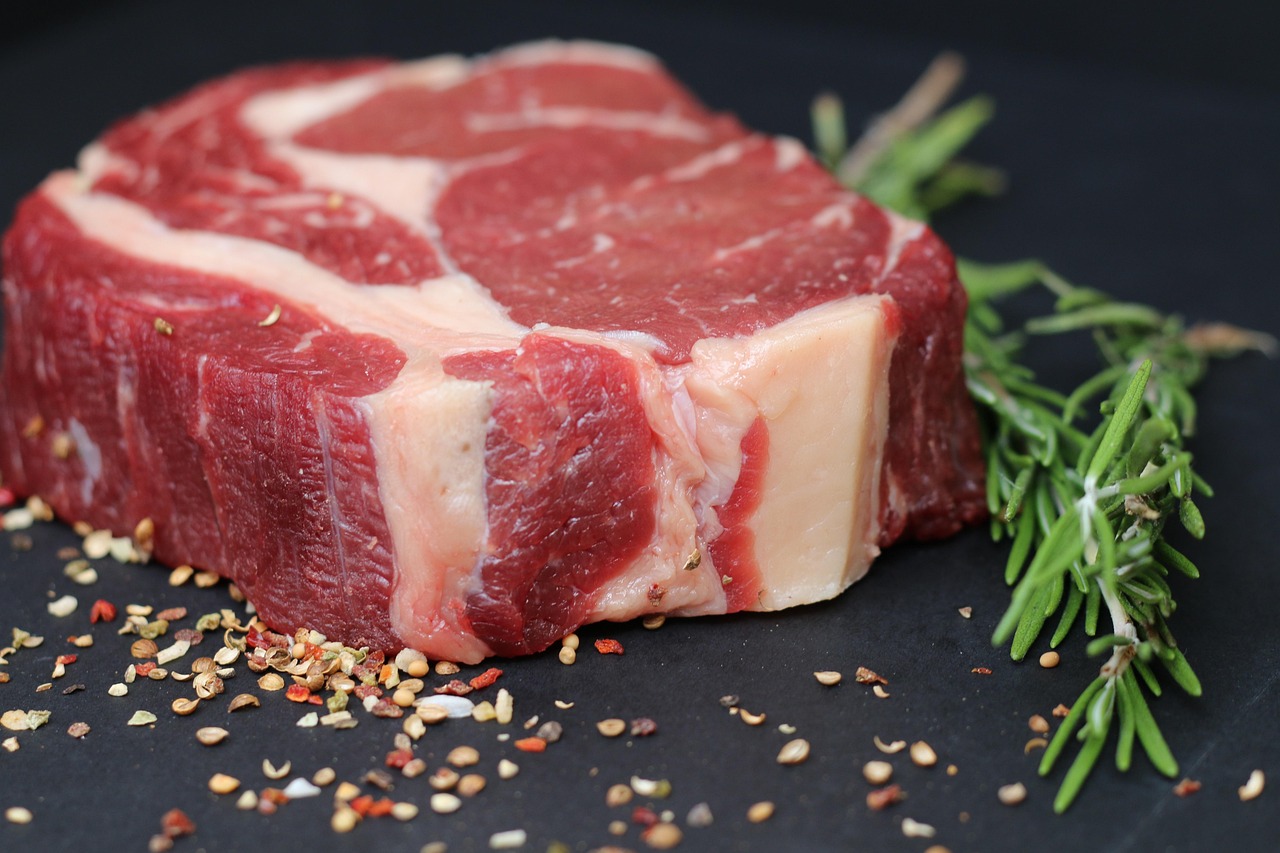
- Dietary Triggers: High consumption of purine-rich foods to avoid (red meat, organ meats, shellfish) directly increases uric acid production. Fructose, often consumed as high-fructose corn syrup, is metabolized in the liver in a way that accelerates purine breakdown into uric acid.
- Alcohol Consumption: Beer is particularly harmful because it contains purines (from brewer's yeast) and the alcohol reduces renal excretion of uric acid. Hard liquor also poses a risk, though wine appears to have a neutral effect in moderation.
- Genetics: Specific gene variants (such as SLC2A9 and ABCG2) significantly affect how the renal tubules transport and reabsorb urate, making gout strongly hereditary.
- Comorbidities: Conditions like obesity, insulin resistance, hypertension, and chronic kidney disease severely impair the body's ability to excrete uric acid. Weight gain increases tissue mass, leading to higher purine turnover.
- Medications: Diuretics (water pills) prescribed for hypertension, low-dose aspirin, and immunosuppressants (like cyclosporine) can decrease the kidneys' ability to eliminate uric acid.
| Category | Specific Causes / Triggers |
|---|---|
| Dietary | Red meat, organ meats, shellfish, high-fructose corn syrup, alcohol (especially beer). |
| Medical Conditions | Obesity, metabolic syndrome, hypertension, chronic kidney disease, psoriasis. |
| Pharmacological | Thiazide diuretics, loop diuretics, low-dose aspirin, cyclosporine. |
| Genetic / Physiological | Family history of gout, specific renal transporter gene mutations, male gender, post-menopausal age in women. |
Diagnosing the Cause
Diagnosing the exact cause of an individual's gout involves assessing both clinical symptoms and biochemical markers. A doctor will typically start by drawing blood to measure serum uric acid levels, though these must be interpreted carefully, as levels can sometimes drop during an acute flare due to the intense inflammatory response shifting urate into the tissues.
A 24-hour urine uric acid test can help determine whether a patient is an overproducer or an underexcreter. This distinction is crucial as it guides specific medication choices. For instance, an underexcreter might benefit more from a uricosuric drug, while an overproducer requires a xanthine oxidase inhibitor.
Identifying the root cause also requires a thorough review of the patient's medical history, current medication list (to identify drug-induced hyperuricemia), and lifestyle habits.
Treatments Addressing the Cause
While acute treatments (like NSAIDs or colchicine) target the inflammatory symptoms, long-term treatments target the underlying cause: hyperuricemia.
Urate-lowering therapies (ULT) are the standard of care for addressing the root cause. Xanthine oxidase inhibitors, such as allopurinol and febuxostat, reduce the body's production of uric acid by blocking the enzyme responsible for converting purines into urate.
Uricosuric agents, like probenecid, address the underexcretion issue by helping the kidneys excrete more uric acid into the urine. The ultimate clinical target of these medications is to consistently maintain serum urate levels below 6.0 mg/dL. At this level, no new crystals can form, and existing crystals slowly dissolve back into the blood to be excreted.
Home Remedies / Lifestyle Approaches

Addressing the causes of gout requires significant lifestyle modifications in tandem with medical therapy. Adopting a strict gout-friendly diet by limiting high-purine foods, alcohol, and refined sugars is essential. Emphasizing foods that help, such as tart cherries and low-fat dairy, can naturally support uric acid reduction.
Hydration is arguably the most important natural remedy for the underlying cause. Drinking 8 to 16 cups of water daily dilutes the uric acid in the blood and actively aids the kidneys in flushing it out of the system.
Gradual, sustained weight loss improves insulin sensitivity and kidney function, thereby enhancing urate clearance. However, crash dieting must be avoided, as fasting states break down muscle tissue, releasing massive amounts of purines and precipitating acute attacks.
Prevention
Preventing gout essentially means preventing the underlying hyperuricemia from reaching the crystallization threshold. This requires lifelong commitment to both lifestyle changes and, for most chronic sufferers, daily ULT medications.
Managing comorbid conditions is a critical preventive strategy. By controlling blood pressure, optimizing blood sugar levels, and protecting kidney health, you support your body's natural ability to regulate urate.
Consistency is key. Many patients make the mistake of stopping their allopurinol once the pain is gone. Because the underlying genetic or metabolic cause remains, stopping the medication inevitably leads to a slow rise in uric acid, silent crystal formation, and eventual recurrent flares.
When to See a Doctor
It is important to consult a healthcare provider if you experience frequent gout attacks (more than two per year), which indicates that the underlying hyperuricemia is severe and uncontrolled. Left untreated, this leads to permanent joint destruction.
See a doctor if you notice tophi—hard, chalky lumps under the skin, commonly on the elbows, ears, or fingers. These signify advanced, chronic crystal deposition and require aggressive medical management to dissolve.
Always seek immediate medical attention if your acute joint pain is accompanied by a fever or chills. This combination could indicate septic arthritis (a severe bacterial joint infection) rather than gout, which is a medical emergency requiring rapid antibiotic treatment.
Frequently Asked Questions
Is gout purely genetic?
While genetics play a significant role in how your kidneys handle uric acid, gout is rarely purely genetic. It usually results from a combination of genetic predisposition and environmental factors like diet, alcohol consumption, and metabolic health.
Why does alcohol cause gout?
Alcohol, particularly beer, is problematic for two reasons. First, beer contains high levels of purines (from brewer's yeast). Second, the metabolism of alcohol in the body produces lactic acid, which competes with uric acid for excretion by the kidneys, leading to a buildup.
Can weight loss cure gout?
Losing weight can significantly reduce uric acid levels and decrease the frequency of attacks by improving kidney function and reducing insulin resistance. However, rapid weight loss or starvation diets can actually trigger a flare due to the breakdown of muscle tissue.
What medications cause gout?
Certain medications, notably thiazide and loop diuretics (water pills) used for high blood pressure, low-dose aspirin, and some immunosuppressants, can decrease kidney excretion of uric acid, leading to hyperuricemia.
Does eating sugar cause gout?
Yes, specifically fructose. Fructose metabolism in the liver accelerates the breakdown of ATP into AMP, eventually leading to increased production of uric acid. High-fructose corn syrup is a major dietary trigger.
Does dehydration cause gout?
Yes, dehydration can trigger a gout attack. When you are dehydrated, the concentration of uric acid in your blood increases, making it more likely to crystallize in the joints.
Sources & References
RemedyForGout has strict sourcing guidelines and relies on peer-reviewed studies, academic research institutions, and medical associations.
- Causes of Gout— Mayo Clinic
- Pathogenesis of Gout— National Institutes of Health (NIH)
- Gout Epidemiology and Risk Factors— Arthritis Foundation
- Uric Acid and Gout— American College of Rheumatology
- Fructose, Uric Acid, and Gout— Journal of the American Medical Association (JAMA)
- Genetics of Gout— Lancet Rheumatology
- Gout and Hyperuricemia— Centers for Disease Control and Prevention (CDC)
Related Articles
What is Gout?
Learn the basics of the condition.
Gout Symptoms
How to identify an attack.
Foods to Avoid
Dietary triggers of gout.
Gout Diet
How to manage gout through nutrition.
Gout Prevention
Ways to stop future attacks.
Gout Medications
Drugs that lower uric acid.
Natural Remedies
Natural ways to manage causes.
Gout Treatment
Comprehensive treatment approaches.