
Medically Reviewed by Dr. Sarah Mitchell, MD
Last Updated: April 2026
Introduction
Transitioning to a gout-friendly diet is one of the most effective lifestyle changes you can make to lower serum uric acid and prevent painful flares. However, knowing what to eat in theory is entirely different from knowing what to put on your plate every single day, especially if you are looking for ways to recover quickly from a recent attack.
A common misconception is that a gout diet consists solely of bland salads and deprivation. In reality, an anti-inflammatory, low-purine diet closely mirrors a Mediterranean-style eating pattern—rich in complex carbohydrates, vibrant vegetables, plant-based proteins, and healthy fats that serve as effective foods that combat gout.
This practical 7-day meal plan is designed to take the guesswork out of gout management. It focuses on foods that actively help your body excrete uric acid while minimizing ingredients that trigger crystal formation, addressing the core causes of hyperuricemia. It also pairs perfectly with other natural remedies.
Core Dietary Goals
Before starting the meal plan, ensure you understand the foundational rules that apply to every day, including avoiding foods to avoid, adding foods that help, taking your gout medications, understanding gout symptoms, and recognizing when to see a doctor:
- Hyper-Hydration: You must consume at least 8 to 10 large glasses (2-3 liters) of water daily to help the kidneys flush uric acid.
- Vitamin C & Cherries: Integrate natural anti-inflammatories like citrus fruits and tart cherry juice daily.
- Protein Shift: Shift your primary protein sources from meat to low-fat dairy, eggs, tofu, beans, and lentils.
- Absolute Zeros: Zero alcohol (especially beer), zero organ meats, and zero high-fructose corn syrup.
The 7-Day Meal Plan
Day 1: Setting the Foundation
Breakfast: 1 cup of rolled oatmeal made with skim milk. Top with 1/2 cup fresh or frozen tart cherries and a sprinkle of walnuts. (Dairy proteins promote uric acid excretion).
Lunch: Large Mediterranean salad: Mixed greens, cucumbers, cherry tomatoes, kalamata olives, and 1 hard-boiled egg. Dress with olive oil and fresh lemon juice.
Snack: 1 apple and a small handful of almonds.
Dinner: Hearty lentil and vegetable stew (carrots, celery, onions) served with a side of brown rice.
Day 2: Plant-Based Power
Breakfast: Parfait: 1 cup low-fat Greek yogurt layered with fresh strawberries and sliced almonds.
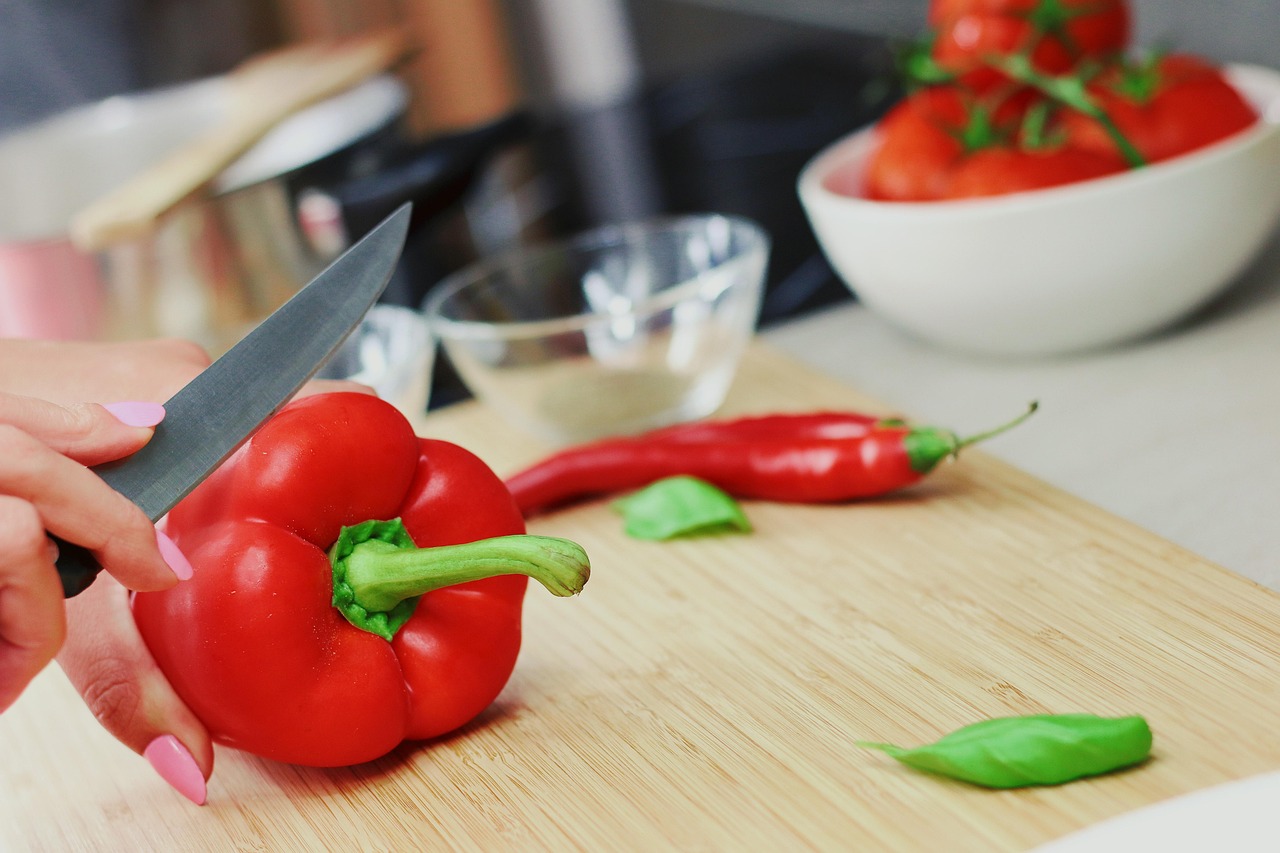
Lunch: Whole wheat wrap filled with hummus, baby spinach, shredded carrots, and sliced bell peppers.
Snack: 1 cup of carrot and celery sticks with 2 tbsp of tzatziki or hummus.
Dinner: Tofu stir-fry: 4oz firm tofu cubed, snow peas, broccoli, and water chestnuts stir-fried in sesame oil and low-sodium soy sauce. Serve over quinoa.
Day 3: Moderate Poultry
Breakfast: Smoothie: 1 banana, 1 cup spinach, 1/2 cup tart cherry juice, 1/2 cup skim milk, and 1 scoop of plant-based protein powder.
Lunch: Leftover lentil stew from Day 1.
Snack: 1 orange (high in Vitamin C).
Dinner: 4oz baked chicken breast (strict portion control), roasted sweet potatoes with cinnamon, and a large portion of steamed asparagus.
Day 4: Bean & Fiber Focus
Breakfast: 2 scrambled eggs with spinach and tomatoes, served with 1 slice of whole-wheat toast.
Lunch: Vegetarian black bean soup topped with a dollop of low-fat sour cream, served with whole grain crackers.
Snack: 1 cup of mixed berries.
Dinner: Eggplant parmesan (baked, not fried) made with part-skim mozzarella and a robust tomato-basil sauce. Serve with a side salad.
Day 5: Low-Purine Fish
Breakfast: Oatmeal with skim milk, sliced bananas, and a dash of cinnamon.
Lunch: Chickpea salad: rinsed chickpeas mixed with diced cucumbers, tomatoes, red onions, parsley, and a lemon vinaigrette.
Snack: Low-fat string cheese and a pear.
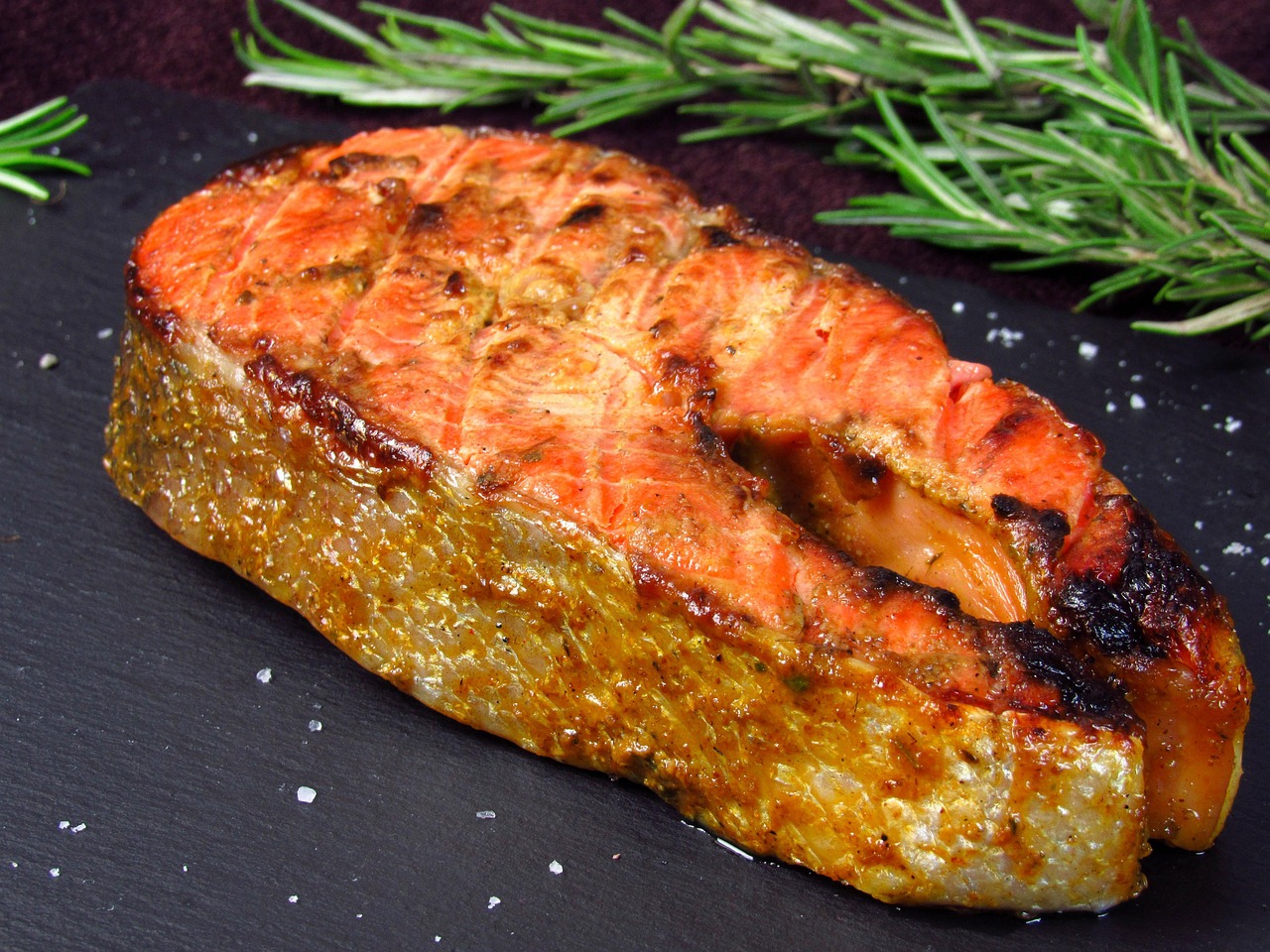
Dinner: 4oz baked salmon (a moderate-purine fish high in Omega-3s), steamed broccoli, and wild rice.
Day 6: Comfort & Recovery
Breakfast: Whole wheat English muffin topped with 1/2 avocado and red pepper flakes.
Lunch: Leftover salmon and wild rice, or a large green salad with a hard-boiled egg.
Snack: Handful of walnuts and 1/2 cup of tart cherry juice.
Dinner: Vegetarian chili (kidney beans, pinto beans, diced tomatoes, corn) topped with low-fat cheddar cheese.
Day 7: Reset
Breakfast: Greek yogurt with fresh pineapple chunks and chia seeds.
Lunch: Leftover vegetarian chili.
Snack: Apple slices with 1 tbsp of almond butter.
Dinner: Whole wheat pasta tossed with olive oil, garlic, roasted cherry tomatoes, zucchini, and spinach. Top with a sprinkle of parmesan.
Essential Shopping List
Take this list to the grocery store to ensure your pantry is fully stocked for the week:
Produce & Fruits
- Fresh or frozen tart cherries
- 100% pure tart cherry juice
- Lemons and oranges
- Apples, bananas, berries
- Baby spinach, mixed greens
- Cucumbers, cherry tomatoes
- Bell peppers, broccoli, carrots
- Sweet potatoes, eggplant
Dairy & Proteins
- Skim milk or 1% milk
- Low-fat plain Greek yogurt
- Eggs
- Firm tofu
- Small portions (4-6oz max per meal) of chicken breast or salmon
Pantry: Grains & Legumes
- Rolled oats (not instant sugary packets)
- Brown rice, quinoa
- Whole wheat bread/wraps
- Dried or canned lentils
- Canned black beans, chickpeas, kidney beans (rinse well to remove sodium)
Fats & Flavor
- Extra virgin olive oil
- Almonds, walnuts, chia seeds
- Hummus
- Garlic, onions
- Various dry spices (cinnamon, oregano, basil)
Meal Prep & Success Tips

- Batch Cooking: Cook large batches of brown rice, quinoa, and lentils on Sunday. This makes throwing together lunches and dinners during the week fast and effortless.
- Rinse Canned Beans: If using canned beans, always rinse them thoroughly under cold water. This removes up to 40% of the sodium, which is important for managing blood pressure (a common comorbidity with gout).
- Portion Control for Meat: When you do eat meat (like the chicken or salmon in this plan), strictly limit the portion to 3-4 ounces. Treat meat as a side dish or a garnish rather than the main event.
- Hydration Station: Keep a large water bottle visible on your desk or counter at all times as a constant reminder to drink.
Foods to Strictly Avoid
To ensure this meal plan works, you must rigorously exclude high-purine triggers and stick to a proper gout treatment and gout remedies strategy. Don't forget about issues like gout in feet and gout in knee:
- All organ meats (liver, sweetbreads).
- High-purine seafood (anchovies, sardines, mussels, scallops, tuna).
- Red meat (beef, lamb, pork) and game meats.
- All alcoholic beverages, particularly beer and dark liquors.
- Any product containing high-fructose corn syrup (sodas, commercial fruit juices, many processed snacks).
Frequently Asked Questions
Can I eat chicken on this meal plan?
Yes, but in strict moderation. Chicken and turkey contain moderate purines. You can include them 2-3 times a week, but keep portions small (about 3-4 ounces, the size of a deck of cards) and focus the rest of the meal on vegetables and complex carbs.
Are tomatoes good for gout?
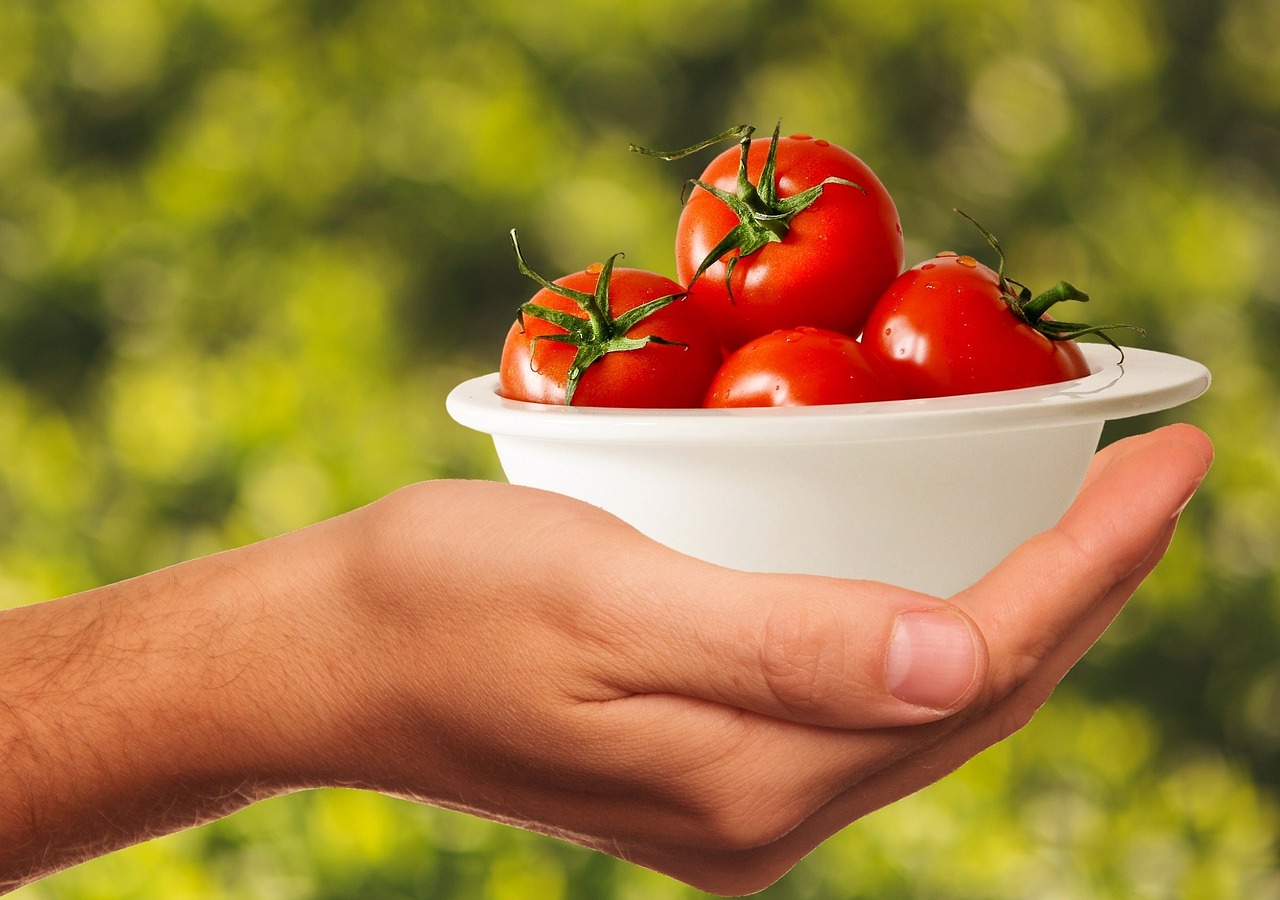
Yes! Tomatoes are low in purines, high in Vitamin C, and highly alkalizing, which helps neutralize uric acid. They are an excellent addition to salads and sauces.
Can I drink coffee on a gout diet?
Yes. Studies show that moderate coffee consumption (regular or decaf) may actually be associated with a lower risk of gout. However, avoid adding sugar or high-fructose syrups to your coffee.
Is fasting a good way to lower uric acid?
No. Fasting, crash dieting, or severe caloric restriction forces the body to break down muscle tissue for energy. This cellular breakdown releases high amounts of purines into the blood, often triggering a severe gout flare.
What is the best type of milk for gout?
Skim milk and low-fat dairy products are the best options. The proteins in milk (casein and lactalbumin) actively help the kidneys excrete uric acid from the body.
Sources & References
RemedyForGout has strict sourcing guidelines and relies on peer-reviewed studies, academic research institutions, and medical associations.
- Gout Diet: What's Allowed, What's Not— Mayo Clinic
- Dietary Approaches to Lower Uric Acid— Arthritis Foundation
- Effect of Dairy on Gout— New England Journal of Medicine (NEJM)
- Purine Content of Foods— American College of Rheumatology
- Vitamin C and Uric Acid Levels— Johns Hopkins Medicine
Related Articles
Gout Diet Overview
The science of eating for gout.
Foods to Avoid
The worst triggers.
Foods That Help
Ingredients that fight gout.
Natural Remedies
Supplements to add to diet.
Gout Prevention
Long term strategies.
What is Gout?
Why diet matters.
Gout Treatments
Medical treatments.
Gout Causes
Hyperuricemia explained.
Fast Relief Guide
Stop flares fast.