
Medically Reviewed by Dr. Sarah Mitchell, MD
Last Updated: April 2026
Introduction
When discussing a gout diet, the focus is almost always on restriction—what you can't eat, what you must avoid, and the endless lists of trigger foods. While avoiding high-purine foods is critical, it is only half the battle.
A truly effective gout management plan embraces the offensive: utilizing specific, nutrient-dense foods that actively help your body process uric acid and reduce systemic inflammation. A gout diet isn't just about avoiding a flare; it's about building a metabolic environment where urate crystals struggle to form.
This guide explores the scientifically backed foods, beverages, and nutrients that actively lower uric acid levels and protect your joints, allowing you to build a delicious, satisfying diet that fights gout.
How Food Can Lower Uric Acid
Hyperuricemia (high uric acid) is typically caused by the kidneys under-excreting uric acid. Certain foods can act as mild "uricosurics"—meaning they stimulate the kidneys to filter more uric acid out of the blood and into the urine.
Other beneficial foods work through anti-inflammatory pathways. They contain potent antioxidants that suppress the immune system's aggressive response to urate crystals, much like over-the-counter NSAIDs, helping to blunt the symptoms of an impending flare. By combining uricosuric foods with anti-inflammatory foods, you create a powerful natural defense against gout.
The Power of Tart Cherries
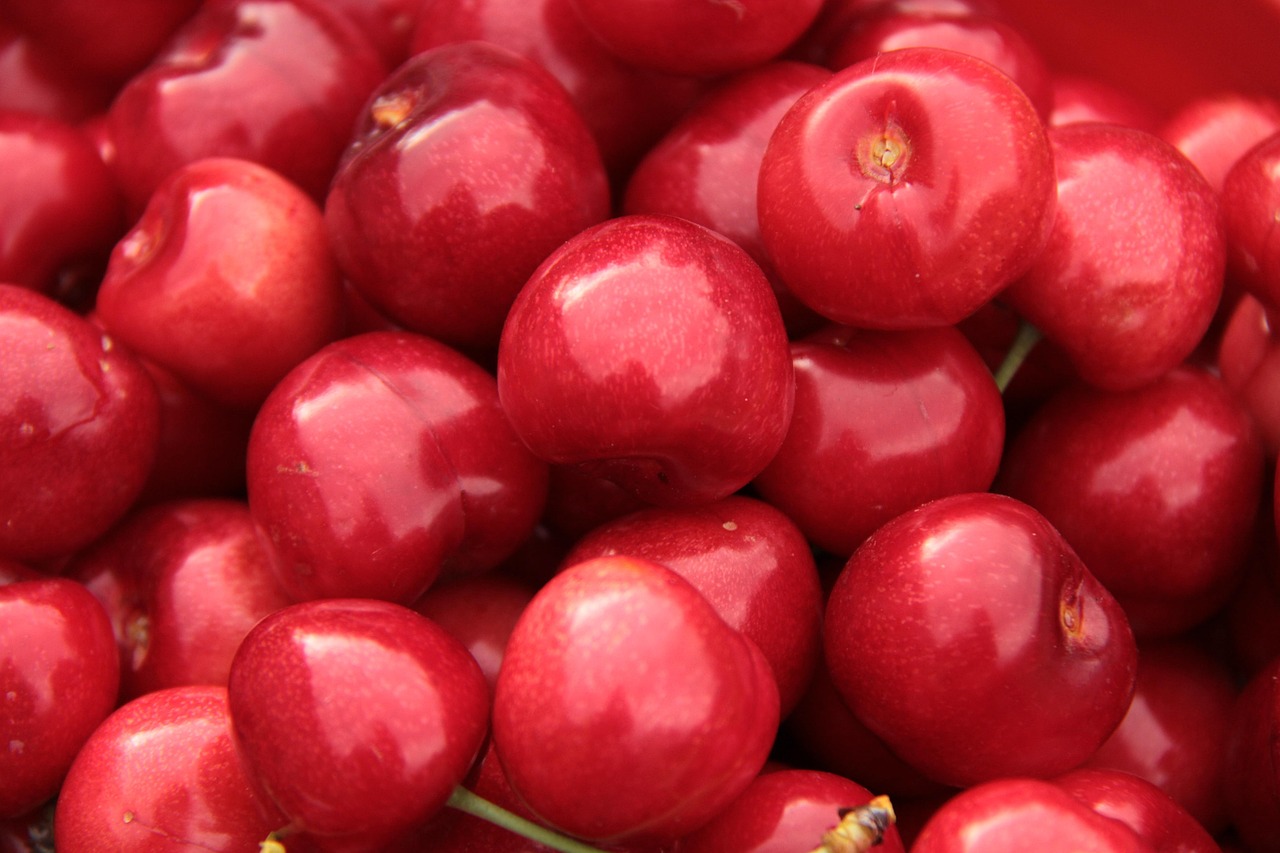
Cherries are perhaps the most famous and well-researched food for gout prevention, and for good reason. They are the cornerstone of many natural remedy protocols.
- The Mechanism: Cherries—especially tart Montmorency cherries—contain extremely high levels of anthocyanins. These are antioxidant pigments that give cherries their dark red color. Anthocyanins reduce inflammation by inhibiting COX-1 and COX-2 enzymes, the exact same inflammatory pathways targeted by NSAID medications like ibuprofen.
- The Evidence: A landmark study involving hundreds of gout patients showed that consuming cherries over a 2-day period was associated with a 35% lower risk of gout attacks compared to no cherry intake.
- How to Consume: Eat ½ to 1 cup of fresh dark or tart cherries daily, or drink 100% tart cherry juice. Ensure the juice has no added sugar, as fructose is a gout trigger.
Low-Fat Dairy Products
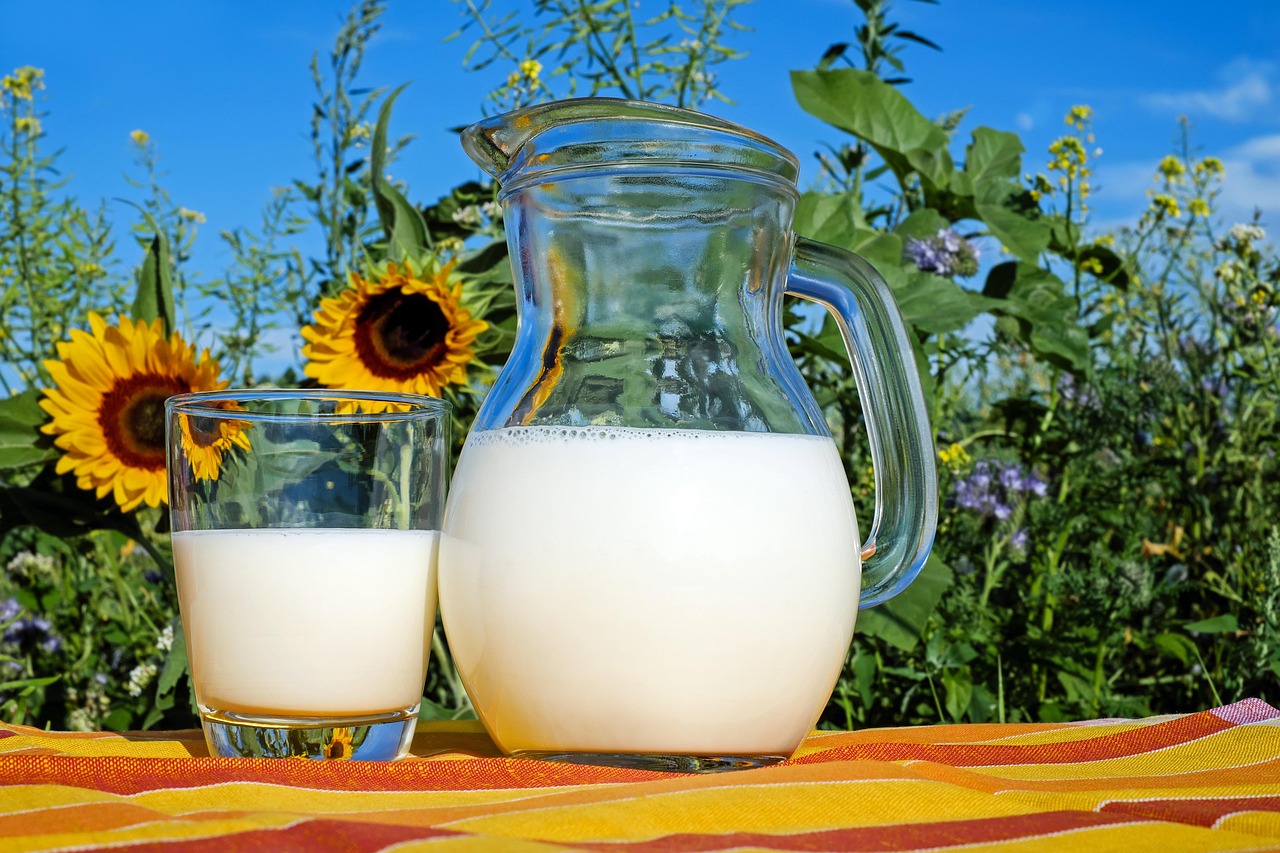
For decades, gout sufferers were told to avoid all animal products. Modern research has completely upended this regarding dairy. Unlike meat, the proteins found in dairy products do not increase uric acid levels; they actively lower them.
- The Mechanism: Dairy proteins, specifically casein and lactalbumin, have a strong uricosuric effect. They promote the excretion of uric acid through the urine.
- Best Options: Skim milk, low-fat yogurt, and cottage cheese.
- Caution: Avoid high-fat dairy (like heavy cream or full-fat cheeses) if you are trying to manage your weight, as obesity is a significant risk factor for gout.
Vitamin C-Rich Foods
Vitamin C is a powerful antioxidant that has been consistently linked to lower uric acid levels in the blood.
- The Mechanism: Vitamin C competes with uric acid for reabsorption in the kidneys, effectively forcing the kidneys to flush more uric acid out of the body.
- Best Options: Citrus fruits (oranges, grapefruits, lemons, limes), bell peppers, strawberries, kiwi, tomatoes, and broccoli.
- Supplementation: If you struggle to get enough Vitamin C from food, a modest daily supplement (500mg) has been shown to be effective in mildly lowering serum urate.
| Food Item | Primary Benefit | Recommended Intake |
|---|---|---|
| Tart Cherries | Potent anti-inflammatory (COX inhibitor) | 1 cup fresh or 8oz 100% juice daily |
| Skim Milk / Low-Fat Yogurt | Uricosuric (promotes uric acid excretion) | 1-2 servings daily |
| Citrus Fruits (Lemons/Oranges) | Vitamin C aids renal clearance; alkalizing | 1-2 whole fruits or fresh juice daily |
| Black Coffee | Improves insulin sensitivity; mild diuretic | 2-4 cups daily (if tolerated) |
| Plant Proteins (Lentils/Beans) | Safe protein source; high fiber stabilizes insulin | Use freely as meat substitutes |
Coffee and Tea

Good news for coffee drinkers: moderate to high coffee consumption is associated with a significantly reduced risk of incident gout.
- The Mechanism: Coffee contains an antioxidant called chlorogenic acid, which improves insulin resistance (a major driver of hyperuricemia). Interestingly, both caffeinated and decaffeinated coffee appear to lower uric acid levels, suggesting the benefit is not from the caffeine itself.
- Caution: Do not negate the benefits by adding large amounts of sugar, high-fructose corn syrup, or high-fat creamers. Drink plenty of water alongside coffee, as it is a mild diuretic.
Plant-Based and Alkaline Foods
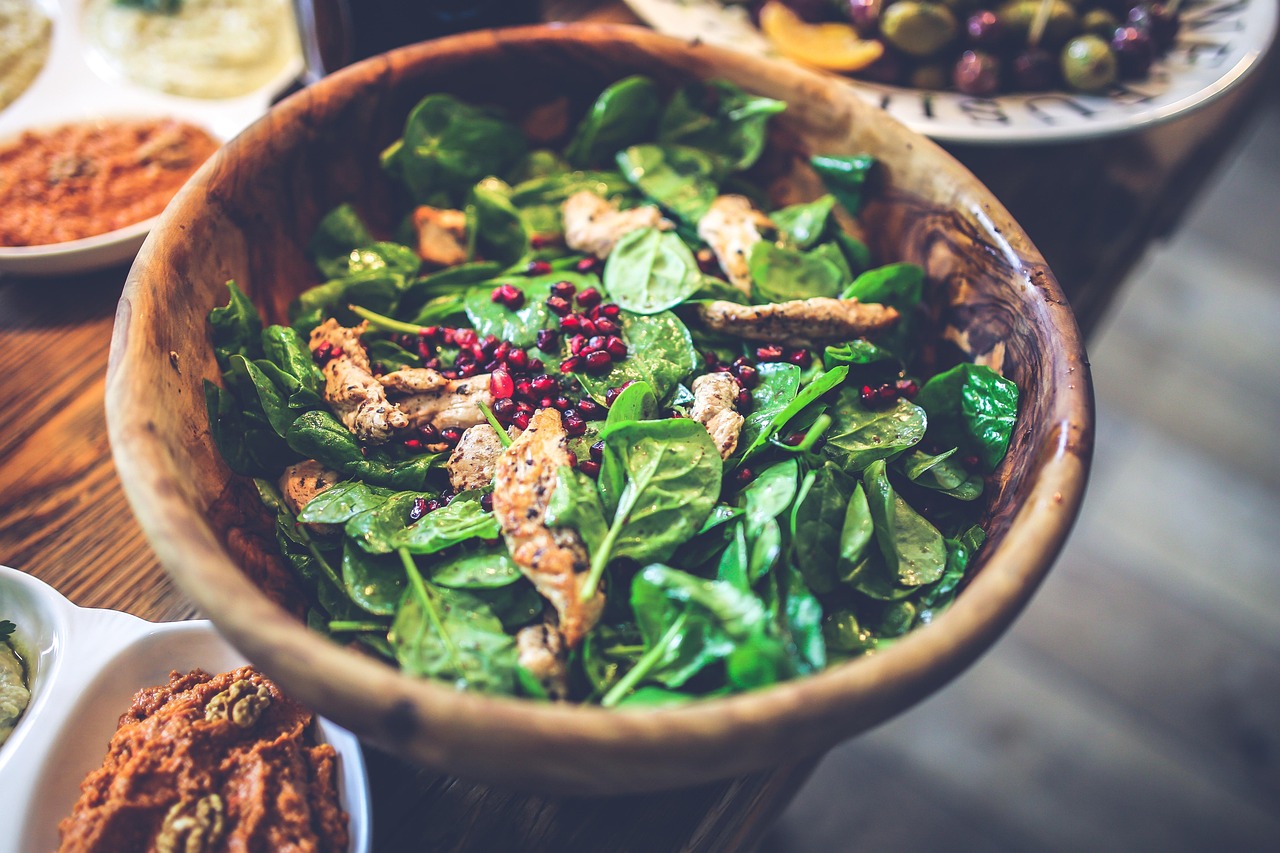
A diet high in plant-based foods tends to alkalize the urine (making it less acidic). When urine is more alkaline, uric acid stays dissolved in the fluid rather than crystallizing into kidney stones, making it easier for the body to excrete.
- Vegetables: Almost all vegetables are excellent. Even vegetables historically labeled as "high purine" (like spinach, peas, and asparagus) have been proven completely safe for gout sufferers in modern studies.
- Complex Carbohydrates: Oats, brown rice, whole wheat pasta, and sweet potatoes provide essential fiber. Fiber stabilizes blood sugar and insulin levels, which indirectly helps the kidneys clear uric acid.
- Plant Proteins: Lentils, beans, tofu, and nuts are excellent, safe substitutes for high-purine meats and seafood.
The Importance of Hydration
While not a food, water is the most critical consumable for a gout sufferer. Adequate hydration dilutes the concentration of uric acid in the blood and provides the fluid volume the kidneys need to flush the acid out of the body. Aim for 3 to 4 liters (about a gallon) of water daily. Adding a squeeze of fresh lemon provides both flavor and an alkalizing boost of Vitamin C.
Diet as a Complement to Treatment
Incorporating these foods into your daily routine is a highly effective home remedy, but it should be viewed as a complement to, not a replacement for, medical treatment.
For many chronic gout sufferers, a perfect diet full of cherries and skim milk will still not lower their uric acid enough to prevent flares due to strong genetic factors. In these cases, medications like allopurinol are necessary. However, eating a gout-friendly diet ensures you require the lowest possible dose of medication and supports your overall cardiovascular health.
When to See a Doctor
If you have successfully integrated these beneficial foods into your diet, eliminated triggers, and are still experiencing painful joint flares, you must see a doctor. Persistent flares indicate that lifestyle modifications alone cannot overcome your body's metabolic underexcretion of uric acid, and professional medical management is required to prevent permanent joint damage.
Frequently Asked Questions
Are tart cherries better than sweet cherries for gout?
Both contain beneficial anthocyanins, but tart cherries (specifically Montmorency cherries) have been studied more extensively and generally contain higher concentrations of these potent anti-inflammatory compounds.
Does lemon water help with gout?
Yes. While lemons are acidic outside the body, they have an alkalizing effect once metabolized. Lemon juice may stimulate the release of calcium carbonate, which bonds to uric acid and breaks it down. Plus, it provides beneficial Vitamin C.
Can I eat beans and lentils since they contain purines?
Yes, absolutely. Extensive studies have shown that plant-based purines (like those in beans, lentils, spinach, and mushrooms) do not increase the risk of gout flares, unlike animal-based purines. They are excellent protein substitutes for meat.
Is yogurt good for gout?
Yes, low-fat yogurt is excellent for gout. The proteins in dairy (casein and lactalbumin) promote the excretion of uric acid through the kidneys, actively helping to lower your blood levels.
Does drinking coffee prevent gout?
Moderate coffee consumption (4-5 cups a day) is associated with a significantly lower risk of developing gout. The chlorogenic acid in coffee is thought to improve insulin sensitivity, which in turn helps the kidneys excrete uric acid.
Sources & References
RemedyForGout has strict sourcing guidelines and relies on peer-reviewed studies, academic research institutions, and medical associations.
- Gout Diet: What to Eat and What to Avoid— Healthline
- Cherry consumption and decreased risk of recurrent gout attacks— Arthritis & Rheumatology (Journal)
- Dairy Intake and Risk of Gout— New England Journal of Medicine
- Vitamin C Intake and the Risk of Gout in Men— Archives of Internal Medicine
- Coffee Consumption and Risk of Incident Gout— Arthritis & Rheumatism
- Nutrition and Gout— Mayo Clinic
Related Articles
Foods to Avoid
Learn what to cut out of your diet.
Gout Diet Overview
General principles of a gout diet.
Diet Plan Guide
A comprehensive meal plan.
Natural Remedies
Supplements and extracts that help.
Gout Causes
Understand how uric acid works.
Gout Prevention
Strategies to stop flares.
Gout Treatments
Medical management.
Home Remedies
Physical interventions for flares.