
Medically Reviewed by Dr. Sarah Mitchell, MD
Last Updated: April 2026
Introduction
For centuries, gout was known as the "disease of kings," mistakenly attributed solely to a lifestyle of gluttony and excessive consumption of rich foods and wine. While we now know that gout is a complex metabolic disorder heavily influenced by genetics and kidney function, diet remains a critical component of its management.
A carefully planned gout diet isn't just about restriction—it's about adopting a sustainable, balanced approach to eating that minimizes uric acid production, supports kidney function, and promotes overall metabolic health. While diet alone rarely cures gout completely, what you eat plays a massive role in managing your uric acid levels and preventing painful flares.
This comprehensive guide explores the physiological connection between food and gout, outlining exactly what a gout-friendly diet looks like, which foods to embrace, and which triggers to avoid.
Overview: The Diet-Uric Acid Connection

To understand the gout diet, you must understand purines. Purines are natural chemical compounds found in the body's cells and in virtually all foods. When the body digests purines, it produces uric acid as a waste product.
Normally, uric acid dissolves in the blood, is filtered by the kidneys, and is excreted in urine. However, if you consume a diet excessively high in purines, your body may produce more uric acid than the kidneys can efficiently remove. This leads to hyperuricemia (high blood uric acid), setting the stage for urate crystals to form in the joints.
A gout diet aims to lower the intake of purine-rich foods, avoid substances that inhibit uric acid excretion (like alcohol and fructose), and increase the intake of foods that actively help flush uric acid from the system.
Dietary Causes of Gout Flares
The dietary causes of gout are specific. Not all purines are created equal. Medical research has shown that purines derived from meat and seafood significantly increase the risk of gout attacks, while purines derived from vegetables do not.
Furthermore, certain dietary components don't contain purines but act as catalysts. Alcohol, particularly beer, is a double threat: it contains purines from brewer's yeast, and the metabolism of alcohol generates lactic acid, which competes with uric acid for excretion by the kidneys. Fructose accelerates the breakdown of cellular ATP, leading to rapid purine generation and subsequent uric acid spikes.
Symptoms Triggered by Diet
A dietary indiscretion—such as a large steak dinner accompanied by several beers—can cause a rapid spike in serum uric acid. This spike can precipitate the sudden, agonizing symptoms of an acute gout flare, typically within 24 to 48 hours.
These diet-induced flares usually present as severe pain, redness, heat, and swelling in a single joint, most commonly the big toe (podagra). The joint becomes exquisitely tender, making walking or even wearing socks unbearable.
Dietary Risk Factors
Certain dietary habits are major risk factors for developing hyperuricemia:
- High Meat Consumption: A diet heavy in red meat (beef, lamb, pork) and organ meats (liver, kidneys).
- Seafood Heavy Diets: Frequent consumption of shellfish, sardines, anchovies, and tuna.
- Sugar-Sweetened Beverages: Regular consumption of sodas and energy drinks sweetened with high-fructose corn syrup.
- Alcohol: Regular, heavy alcohol consumption, especially beer and hard liquor.
- Dehydration: Failing to drink enough water impairs the kidneys' ability to clear uric acid.
| Category | Foods to Eat Freely | Foods to Limit (Moderate) | Foods to Strictly Avoid |
|---|---|---|---|
| Proteins | Low-fat dairy, eggs, tofu, lentils, beans | Chicken, turkey, lean beef, salmon | Organ meats, venison, veal, shellfish, sardines |
| Carbs & Produce | All vegetables, cherries, citrus fruits, whole grains | Refined white bread, highly sweet natural fruit juices | Anything with high-fructose corn syrup, sugary baked goods |
| Beverages | Water (lots of it!), black coffee, herbal tea | Wine (1 glass occasionally) | Beer, hard liquor, sugary sodas, energy drinks |
Diagnosis and Diet Monitoring
When diagnosing gout, a physician will test your serum uric acid levels. Keeping a food diary can be incredibly helpful during this diagnostic phase. By tracking what you eat and correlating it with your uric acid levels or the onset of flares, you and your doctor can identify your specific dietary triggers.
Not everyone is equally sensitive to all purine-rich foods. Some patients may find that beer is an immediate trigger, while they can tolerate moderate amounts of red meat. Personalized monitoring is key.
Medical Treatments vs. Diet
It is vital to understand that for most patients with chronic gout, a strict diet alone is not enough to lower uric acid below the therapeutic target of 6.0 mg/dL. Medical treatments, specifically urate-lowering therapies (ULT) like allopurinol, are usually necessary.
However, adhering to a gout diet means you may require a lower dose of medication, and it significantly reduces the stress on your kidneys while supporting overall cardiovascular and metabolic health.
Home Remedies & Lifestyle: Foods to Eat
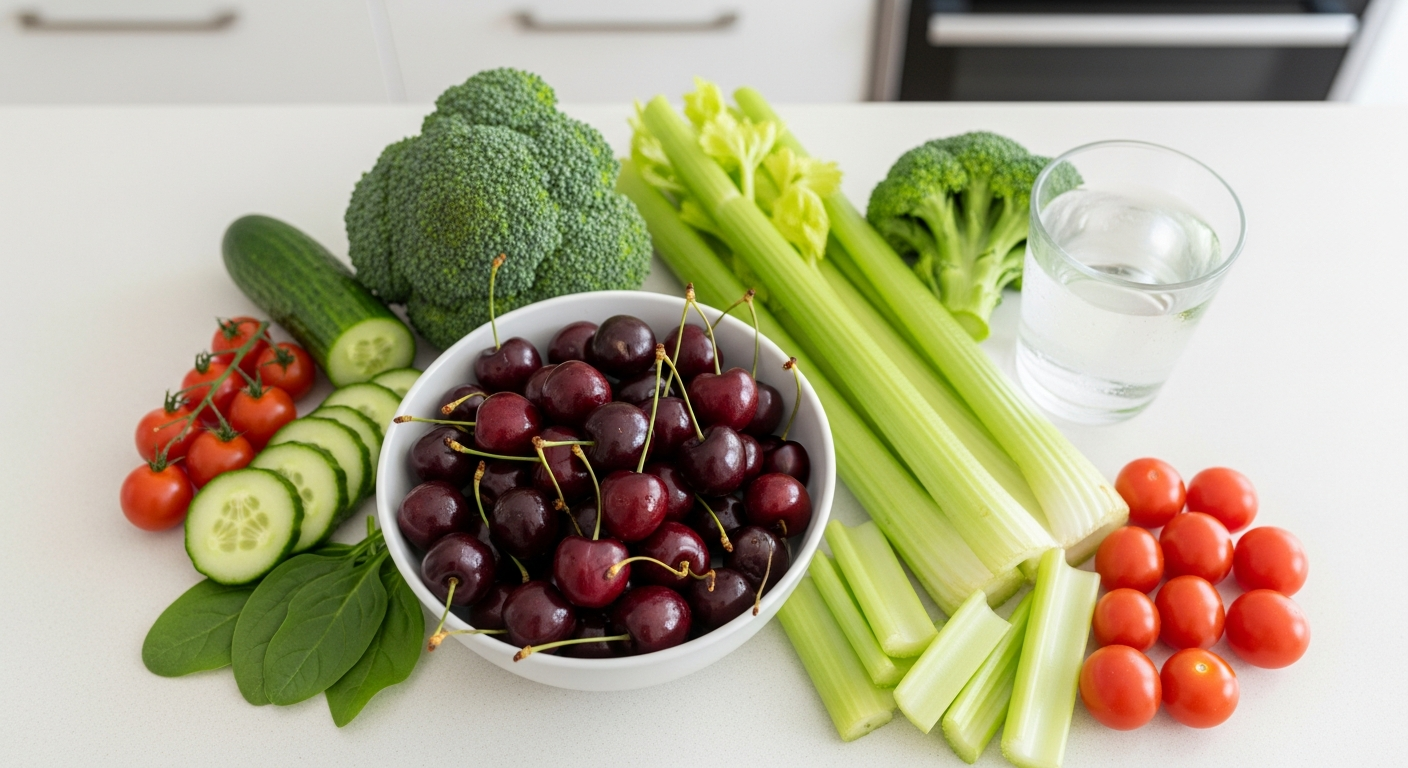
A gout diet isn't just about taking things away; it's about incorporating foods that help lower uric acid and fight inflammation as a natural home remedy.
- Cherries: Tart cherries are rich in anthocyanins, which have potent anti-inflammatory properties similar to NSAIDs.
- Vitamin C: Citrus fruits, bell peppers, and strawberries provide Vitamin C, which acts as a mild uricosuric, helping the kidneys excrete uric acid.
- Low-Fat Dairy: Skim milk and low-fat yogurt contain proteins that actively promote uric acid excretion.
- Complex Carbohydrates: Oats, brown rice, and whole wheat pasta provide necessary energy without the purine load or the insulin spike of refined sugars.
Dietary Prevention Strategies
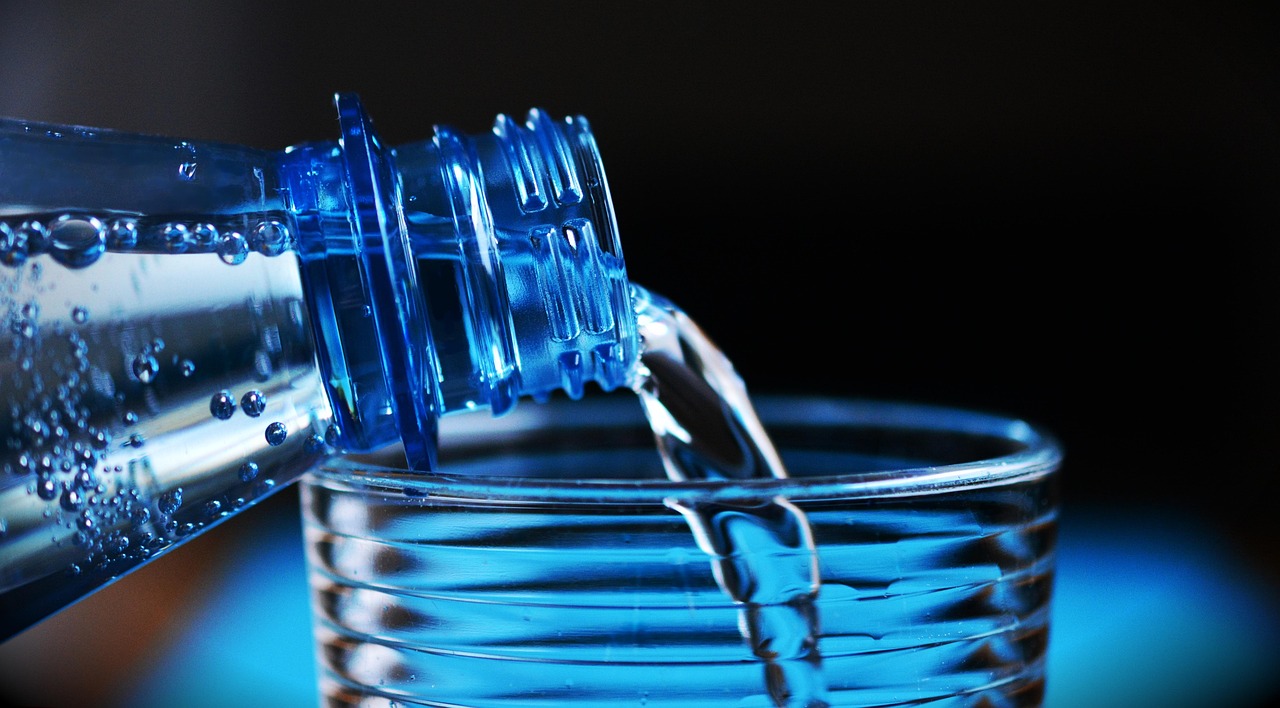
Preventing gout through diet involves consistent, long-term habits.
Hydration is paramount. Drinking 8 to 16 cups of fluid daily, mostly water, dilutes the blood and keeps the kidneys flushing out uric acid.
Weight Management: Gradual weight loss reduces the overall burden of uric acid production in the body and decreases insulin resistance. However, you must avoid crash dieting or fasting, as these can precipitate acute attacks.
When to See a Doctor
If you have completely overhauled your diet, eliminated alcohol and high-purine foods, and are still experiencing gout flares, it is time to see a doctor. This indicates that your gout is driven primarily by genetic factors and kidney function, rather than just dietary choices, and you will likely need prescription medication to manage the disease and prevent permanent joint damage.
Frequently Asked Questions
Are all vegetables high in purines bad for gout?
No. Interestingly, studies show that high-purine vegetables (like asparagus, spinach, peas, and mushrooms) do not increase the risk of gout or recurring gout attacks, unlike high-purine meats. They are safe to include in a gout diet.
Can I drink coffee if I have gout?
Yes, in moderation. Some research suggests that moderate coffee consumption may actually be associated with a lower risk of gout, as it can help lower uric acid levels and has mild diuretic properties.
Is fasting a good way to lose weight for gout?
No. Fasting or crash dieting causes rapid breakdown of cellular tissue, which actually releases large amounts of purines into the blood, often triggering a severe gout flare. Weight loss should be gradual and steady.
Can I eat chicken on a gout diet?
Chicken contains moderate amounts of purines and is generally considered safe when eaten in reasonable portions (4-6 ounces per day). It is a much better choice than red meat or organ meats.
Why is high-fructose corn syrup bad for gout?
When your body breaks down fructose, it accelerates the degradation of ATP (cellular energy), leading to an overproduction of purines, which are then converted to uric acid. This is why sugary sodas are a major trigger.
Do dairy products help with gout?
Yes. Low-fat dairy products like skim milk and yogurt contain proteins (casein and lactalbumin) that actually help the kidneys excrete more uric acid into the urine.
Sources & References
RemedyForGout has strict sourcing guidelines and relies on peer-reviewed studies, academic research institutions, and medical associations.
- Gout diet: What's allowed, what's not— Mayo Clinic
- Diet and Gout— Arthritis Foundation
- Purine-Rich Foods, Dairy and Protein Intake, and the Risk of Gout— New England Journal of Medicine (NEJM)
- Effect of Vitamin C on Serum Uric Acid— Johns Hopkins Medicine
- Fructose Intake and Risk of Gout— Journal of the American Medical Association (JAMA)
- Guidelines for the Management of Gout— American College of Rheumatology
- Nutrition and Gout— Cleveland Clinic
Related Articles
Foods to Avoid
Detailed list of gout triggers.
Foods That Help
Dietary choices that lower uric acid.
Diet Plan Guide
A comprehensive meal plan.
Gout Causes
Understand how uric acid works.
What is Gout?
Basics of the disease.
Gout Prevention
Strategies to stop flares.
Natural Remedies
Supplements for gout.
Gout Treatments
Medical management.